Understanding livestock diseases is essential for any farmer or livestock manager aiming to maintain a healthy herd and optimize productivity. Livestock can be affected by a variety of diseases, which can be broadly categorized into infectious and non-infectious types. Infectious diseases are caused by pathogens such as bacteria, viruses, and parasites, while non-infectious diseases may arise from nutritional deficiencies, environmental factors, or genetic predispositions. Recognizing the different types of livestock diseases is the first step in implementing effective livestock management strategies. The impact of these diseases on livestock can be profound, affecting not only the health and well-being of the animals but also the overall productivity of the farm.
Sick animals may exhibit reduced growth rates, lower reproductive performance, and increased mortality rates. Furthermore, outbreaks of disease can lead to significant economic losses due to veterinary costs, decreased milk or meat production, and potential trade restrictions. Therefore, understanding the causes and effects of various livestock diseases is crucial for developing proactive measures to prevent and control them. Effective livestock management involves regular health monitoring, vaccination programs, and biosecurity measures to minimize the risk of disease transmission. By staying informed about common livestock diseases and their implications, farmers can make better decisions that enhance animal welfare and ensure sustainable farming practices.
Importance of Biosecurity in Livestock Management
Implementing effective biosecurity measures is crucial in livestock management to prevent the introduction and spread of diseases on farms.These practices not only protect the health of the animals but also safeguard the economic viability of the farming operation.
Biosecurity in livestock
involves a series of protocols designed to minimize the risk of disease transmission. Here are some essential biosecurity practices:- Controlled Access: Limit access to farm facilities to essential personnel only. This reduces the risk of introducing pathogens from outside sources.
- Sanitation: Regularly clean and disinfect equipment, vehicles, and footwear before entering livestock areas. Use appropriate disinfectants that are effective against specific pathogens.
- Quarantine New Animals: Isolate new or returning animals for a minimum of 30 days to monitor for signs of illness before introducing them to the main herd.
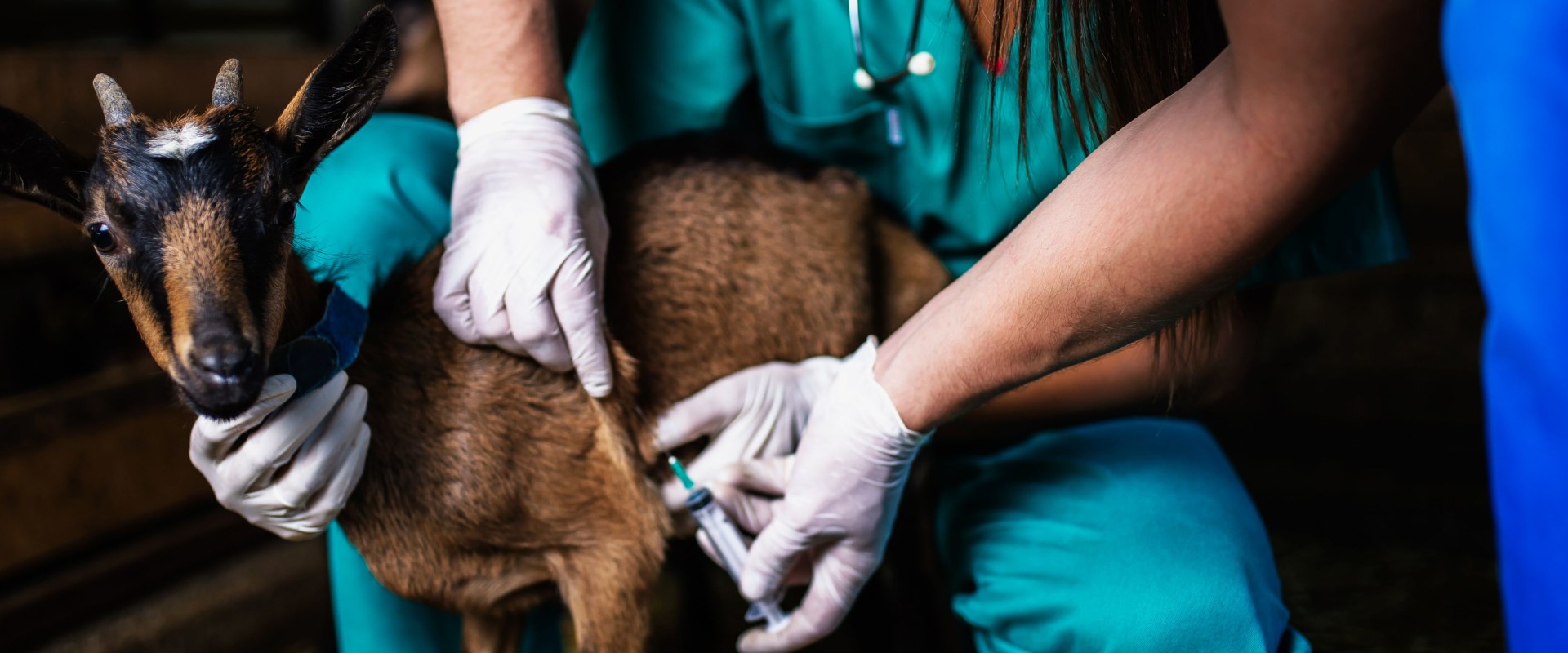
- Vaccination: Implement a comprehensive vaccination program tailored to the specific needs of your livestock.
Vaccines can significantly reduce the incidence of many infectious diseases.
- Health Monitoring: Regularly check animals for signs of illness and maintain accurate health records. Early detection can prevent outbreaks.
- Feed and Water Management: Ensure that feed and water sources are clean and free from contamination. Avoid sharing feeding equipment between different groups of animals.
Vaccination Strategies for Livestock
Vaccination is a cornerstone of livestock management and plays a critical role in preventing and controlling diseases that can affect animal health and productivity.By implementing a well-planned vaccination strategy, livestock producers can significantly reduce the incidence of infectious diseases, thereby enhancing the overall health of their herds.
Recommended Vaccines for Different Types of Livestock
- Cattle: Common vaccines include those for Bovine Respiratory Disease, Bovine Viral Diarrhea, and Brucellosis. These vaccines help protect against some of the most prevalent diseases in cattle.
- Pigs: Vaccination against Porcine Reproductive and Respiratory Syndrome (PRRS) and Swine Influenza is essential for maintaining herd health.
- Sheep and Goats: Vaccines for Clostridial Diseases and Sore Mouth are vital for these species, as they are susceptible to various infections.
- Poultry: Vaccination against Marek's Disease, Newcastle Disease, and Avian Influenza is crucial for maintaining flock health.
Creating an Effective Vaccination Schedule
A well-structured vaccination schedule is essential for maximizing the effectiveness of vaccines. Here are some key steps to consider:
- Consult with a Veterinarian: Work with a veterinarian to develop a vaccination program tailored to your specific livestock type, age, and health status.
- Follow Manufacturer Guidelines: Adhere to the recommended vaccination protocols provided by vaccine manufacturers, including timing and dosage.
- Monitor Health Status: Regularly assess the health of your livestock to determine if additional vaccinations or boosters are necessary.
- Record Keeping: Maintain detailed records of vaccinations administered, including dates and types of vaccines, to ensure compliance and track herd immunity.
By prioritizing vaccination as part of your livestock management strategy, you can safeguard your investment and ensure a thriving operation.
Nutrition and Its Role in Disease Resistance
Proper nutrition is a cornerstone of effective livestock management, playing a crucial role in enhancing the immune system and overall health of animals. When livestock receive a balanced diet rich in essential nutrients, they are better equipped to resist diseases and recover from illnesses more quickly.Feeding strategies
that focus on the nutritional needs of livestock can significantly improve their disease resistance. Here are some key components to consider:- Balanced Diet: Livestock require a mix of carbohydrates, proteins, fats, vitamins, and minerals. A well-rounded diet ensures that animals have the energy and nutrients necessary for optimal health.
- Quality Forage: High-quality forage is vital for ruminants.
It provides necessary fiber that aids digestion and promotes gut health, which is essential for a robust immune response.
- Supplementation: In some cases, livestock may need additional supplements to meet their specific nutritional requirements. This can include vitamins like A, D, and E, as well as minerals such as zinc and selenium, which are known to enhance immune function.
- Water Access: Clean and fresh water is often overlooked but is critical for maintaining hydration and supporting metabolic processes in livestock.
Monitoring and Early Detection of Diseases
Effective livestock management hinges on the ability to monitor animal health consistently and detect diseases at their earliest stages.Regular health checks are essential for identifying potential issues before they escalate into serious outbreaks.
Importance of Disease Monitoring
- Regular monitoring helps in maintaining herd health and productivity.
- It allows for the identification of trends in disease occurrence, which can inform management practices.
- Timely intervention can reduce treatment costs and minimize losses.
Signs of Illness in Livestock
Recognizing the early signs of illness is crucial for effective disease monitoring. Some common indicators include:
- Changes in Appetite: A sudden decrease in feed intake can signal underlying health issues.
- Behavioral Changes: Livestock that isolate themselves or exhibit lethargy may be unwell.
- Physical Symptoms: Look for signs such as coughing, nasal discharge, or abnormal feces.
- Weight Loss: Unexplained weight loss can indicate chronic health problems.
Implementing Early Detection Strategies
To enhance early detection capabilities, consider the following strategies:
- Routine Health Assessments: Schedule regular veterinary check-ups to ensure comprehensive health evaluations.
- Record Keeping: Maintain detailed records of each animal's health history, including vaccinations and treatments.
- Use Technology: Employ monitoring systems such as RFID tags or health tracking apps to keep tabs on livestock behavior and health metrics.
Management Practices to Control Disease Outbreaks
Effective livestock management requires proactive measures to prevent and control disease outbreaks. Implementing robust management practices is essential for maintaining herd health and minimizing the impact of diseases.Isolation protocols
are a critical component of outbreak management.When a disease is suspected or confirmed, it is vital to isolate affected animals immediately. This helps to prevent the spread of pathogens to healthy livestock. Designate specific areas for isolation, ensuring that these zones are equipped with necessary resources such as food, water, and veterinary care. In addition to isolation, regular monitoring of herd health is crucial. Conduct routine health checks to identify any signs of illness early.
This includes observing for changes in behavior, appetite, and physical condition. Keeping detailed health records can aid in tracking patterns and identifying potential outbreaks before they escalate.
Treatment options
should be readily available and tailored to the specific diseases that may affect your livestock. Consult with a veterinarian to develop a comprehensive treatment plan that includes vaccination schedules, deworming protocols, and other preventive measures. Vaccination is particularly important as it can significantly reduce the incidence of many infectious diseases. Furthermore, implementing biosecurity measures is essential in controlling disease outbreaks.This includes restricting access to livestock areas, sanitizing equipment and vehicles, and ensuring that all personnel follow strict hygiene practices. Educating farm staff about the importance of biosecurity can enhance compliance and effectiveness. Lastly, consider forming a disease response team within your operation. This team should be trained in outbreak management strategies and ready to act swiftly when a disease threat arises. Having a clear plan in place can make all the difference in mitigating the impact of an outbreak on your livestock.
The Role of Technology in Livestock Disease Management
In the realm of livestock management, technology plays a pivotal role in enhancing disease prevention and control.The integration of digital tools and innovative solutions has transformed traditional practices, allowing farmers to monitor the health of their animals more effectively.
Data tracking
is one of the most significant advancements in livestock health management. By utilizing software that collects and analyzes data on animal health, farmers can identify patterns and trends that may indicate the onset of disease. This proactive approach enables timely interventions, reducing the spread of illness within herds.Another critical aspect is the implementation of health monitoring systems. Wearable devices and sensors can track vital signs, activity levels, and feeding behaviors in real-time.For instance, smart collars equipped with GPS and health monitoring technology can alert farmers to any abnormalities, such as decreased activity or changes in temperature, which may signal health issues.
- Remote diagnostics: With advancements in telemedicine, veterinarians can now conduct remote consultations, allowing for quicker diagnosis and treatment plans without the need for physical visits.
- Vaccination tracking: Digital records help farmers keep track of vaccination schedules, ensuring that livestock receive necessary immunizations on time.
- Biosecurity measures: Technology aids in implementing biosecurity protocols by monitoring access points and tracking movements within farms to prevent disease introduction.
Frequently Asked Questions about Livestock Disease Management
Managing livestock health is crucial for any farmer or rancher. Here are some frequently asked questions regarding livestock disease management:- What are the most common diseases in livestock?
Common diseases include foot-and-mouth disease, brucellosis, mastitis, and respiratory infections.Each species of livestock may be susceptible to different diseases, so it’s essential to stay informed about the specific risks associated with your animals.
- How can I prevent diseases in my livestock?
Preventive measures include:
- Vaccination: Regular vaccinations can protect against many infectious diseases.
- Biosecurity: Implement strict biosecurity measures to prevent the introduction of pathogens. This includes controlling access to your farm and sanitizing equipment.
- Nutritional Management: Providing a balanced diet strengthens the immune system, making animals less susceptible to diseases.
- What should I do if I suspect my livestock is sick?
If you notice any signs of illness, such as lethargy, loss of appetite, or unusual behavior, consult a veterinarian immediately. Early intervention can prevent the spread of disease and improve recovery chances. - How often should I conduct health checks on my livestock?
Routine health checks should be performed at least once a month, but more frequent checks may be necessary during high-risk periods, such as after introducing new animals or during seasonal changes.
Conclusion: Key Takeaways for Effective Livestock Management
In conclusion, effective livestock management is crucial for preventing and controlling diseases that can significantly impact animal health and farm productivity. By implementing a combination of proactive strategies, farmers can safeguard their livestock and ensure a sustainable farming operation.Key takeaways include:- Regular Health Monitoring: Conducting routine health checks allows for early detection of potential health issues, enabling timely intervention.
- Vaccination Programs: Establishing a comprehensive vaccination schedule tailored to the specific needs of the herd can prevent outbreaks of common diseases.
- Biosecurity Measures: Implementing strict biosecurity protocols helps minimize the risk of disease introduction from external sources, protecting the overall health of the livestock.
- Nutritional Management: Providing balanced nutrition supports the immune system, making animals less susceptible to diseases.
- Environmental Management: Maintaining clean and safe living conditions reduces stress and exposure to pathogens, contributing to better overall health.
The commitment to proactive disease prevention is not just beneficial for the livestock but is also a vital component of responsible farming practices that contribute to food security and sustainability in agriculture.