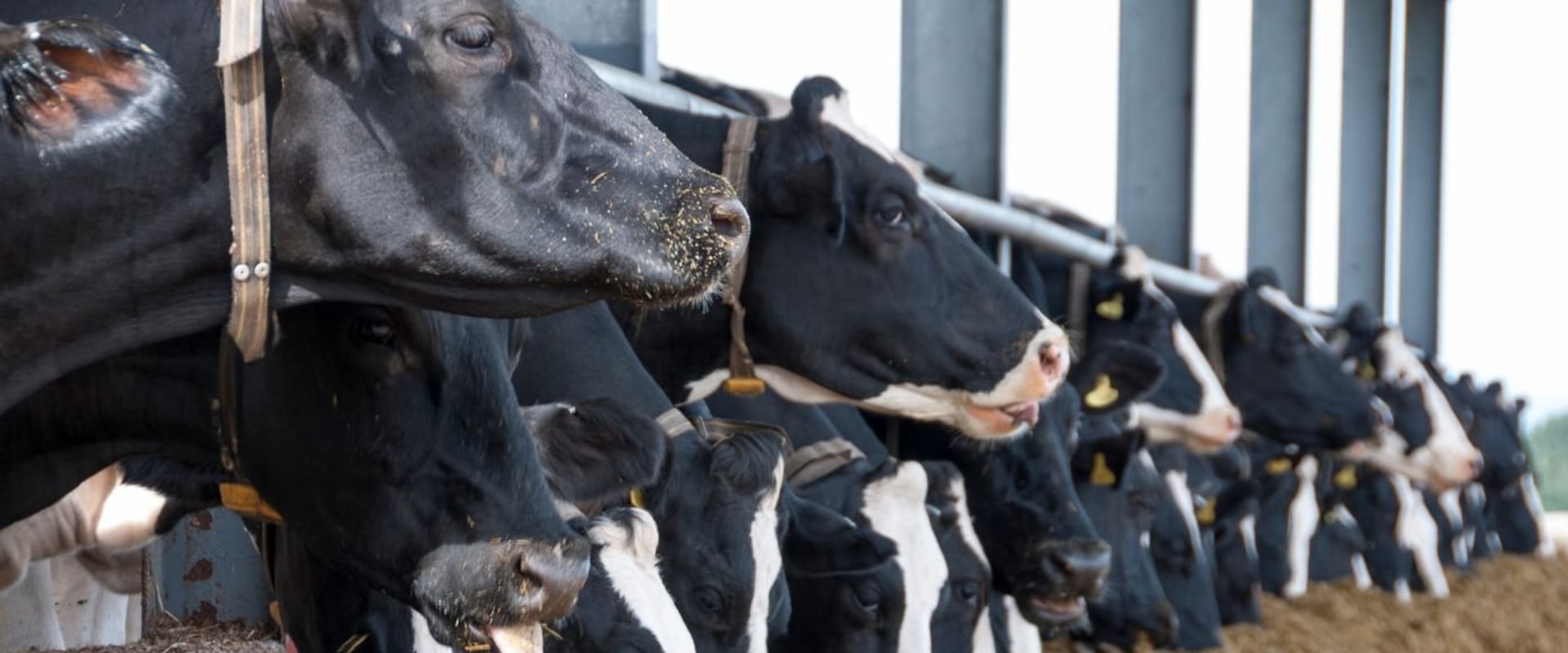
Understanding livestock nutrition is a cornerstone of effective livestock management. Proper nutrition not only supports the health and well-being of animals but also enhances productivity and profitability for farmers. Each type of livestock, whether cattle, sheep, pigs, or poultry, has unique nutritional needs that must be met to ensure optimal growth, reproduction, and overall health. A balanced diet tailored to the specific requirements of each species is essential for achieving these goals. The importance of nutrition in livestock cannot be overstated.
Nutritional deficiencies can lead to a range of health issues, including stunted growth, weakened immune systems, and reduced reproductive performance. Conversely, overfeeding or providing an unbalanced diet can result in obesity and related health problems. Therefore, understanding the importance of balanced diets is crucial for livestock managers who aim to maintain healthy herds and flocks. To effectively manage livestock nutrition, it is vital to consider factors such as age, weight, production stage, and environmental conditions. For instance, growing animals require higher protein levels compared to mature livestock.
Additionally, pregnant or lactating females have increased energy and nutrient demands. By recognizing these specific nutritional needs, livestock managers can formulate feeding programs that promote optimal health and productivity.
Types of Livestock Feed
When it comes to livestock management, understanding the different types of livestock feed is crucial for ensuring optimal health and productivity. Livestock feed can be broadly categorized into three main types: grains, forages, and supplements.Grains
Grains are a primary source of energy for many livestock species. Common grains include:- Corn: High in energy and widely used in livestock diets.
- Barley: Offers a good balance of energy and protein.
- Wheat: Often used in rations for its high digestibility.
Forages
Forages are essential for ruminants like cattle and sheep.They provide necessary fiber for digestion. Types of forages include:
- Hay: Dried grass or legumes that can be stored for long periods.
- Silage: Fermented forage that retains moisture and nutrients.
- Pasture: Fresh grass that livestock graze on directly.
Supplements
To meet specific nutritional requirements, supplements may be added to the diet. These can include:- Mineral blocks: Provide essential minerals that may be lacking in the primary diet.
- Protein meals: Such as soybean meal or canola meal, to boost protein intake.
- Additives: Probiotics or enzymes that improve digestion and nutrient absorption.
Commercial feeds are formulated to meet specific nutritional standards and are convenient but can be costly. On the other hand, homemade feeds allow for customization based on available ingredients but require careful formulation to ensure balanced nutrition.Ultimately, understanding these feed types and their roles in livestock nutrition will help farmers make informed decisions that promote animal health and productivity.
Formulating a Balanced Diet
Formulating a balanced diet for livestock is crucial for ensuring their health, productivity, and overall well-being. Each species of livestock has unique nutritional requirements that must be met at different life stages, from growth to reproduction and lactation.To create an effective diet formulation, consider the following key components:- Energy Sources: Livestock require energy for maintenance, growth, and production. Common energy sources include grains, silage, and forages.
The choice of energy source should align with the specific needs of the animal.
- Protein: Protein is essential for muscle development and overall health. Different species have varying protein needs; for instance, growing animals typically require higher protein levels compared to mature ones. Incorporate high-quality protein sources such as soybean meal or alfalfa.
- Vitamins and Minerals: Micronutrients play a vital role in metabolic processes. Ensure that the diet includes essential vitamins (A, D, E) and minerals (calcium, phosphorus) to prevent deficiencies that can lead to health issues.
- Water: While not a nutrient in the traditional sense, access to clean and fresh water is critical for digestion and overall health.
Ensure that livestock have constant access to water.
- Life Stage: Nutritional needs change as animals grow. For example, young animals require more protein and energy compared to adults.
- Production Goals: Tailor diets based on whether the livestock are being raised for meat, milk, or breeding purposes.
- Feed Quality: Always assess the quality of feed ingredients. Poor-quality feed can lead to suboptimal health and productivity.
Feeding Strategies for Different Livestock Types
Effective feeding strategies are crucial for optimizing the health and productivity of livestock.Different species have unique nutritional requirements, and understanding these can significantly enhance livestock management.
Feeding Strategies for Cattle
Cattle are ruminants, which means they require a diet high in fiber. The following strategies can help:- Forage Quality: Provide high-quality forage such as alfalfa or clover to ensure adequate protein intake.
- Supplementation: Use mineral and vitamin supplements to address any deficiencies, particularly during dry seasons.
- Balanced Rations: Formulate rations that balance energy, protein, and fiber to support growth and milk production.
Feeding Strategies for Pigs
Pigs have a more flexible digestive system, allowing for a variety of feed types. Consider these strategies:- Energy-Dense Diets: Incorporate grains like corn and barley to meet their high energy needs.
- Protein Sources: Include soybean meal or fish meal to provide essential amino acids necessary for growth.
- Phased Feeding: Adjust diets based on the growth stage of pigs to optimize feed efficiency and reduce waste.
Feeding Strategies for Poultry
Poultry require a balanced diet rich in protein and energy. Implement these best practices:- Complete Feeds: Use commercially formulated feeds that meet the specific needs of layers or broilers.
- Fresh Water: Ensure constant access to clean water, as hydration is vital for digestion and overall health.
- Feed Additives: Consider probiotics or enzymes to enhance gut health and improve nutrient absorption.
Monitoring and Adjusting Feed Intake
Effective monitoring of feed intake is crucial in livestock management, as it directly impacts the health and productivity of the animals.Regularly assessing how much feed each animal consumes can help identify potential issues early on. One effective method is to keep detailed records of feed consumption, which can be done through daily logs or digital tracking systems. This data allows farmers to spot trends and make informed decisions about dietary adjustments.In addition to tracking feed intake, it is essential to observe the animals for any signs of malnutrition. Common indicators include:
- Weight loss: A noticeable decrease in body weight can signal inadequate nutrition.
- Poor coat condition: Dull or rough fur may indicate deficiencies in essential nutrients.
- Behavioral changes: Lethargy or decreased activity levels can be a sign that livestock are not receiving enough energy from their diet.
- Digestive issues: Symptoms such as bloating or diarrhea may suggest that the feed is not meeting the animals' nutritional needs.
This can involve several strategies:
- Consulting a nutritionist: Engaging with an animal nutrition expert can provide tailored recommendations based on specific livestock needs.
- Changing feed types: Switching to higher-quality feeds or supplements may be required to address deficiencies.
- Altering feeding schedules: Adjusting the timing and frequency of feedings can improve intake and digestion.
- Implementing group feeding strategies: Ensuring that all animals have equal access to feed can prevent competition and ensure adequate intake.
Common Nutritional Deficiencies in Livestock
Understanding nutritional deficiencies in livestock is crucial for maintaining their health and productivity. Livestock can suffer from various deficiencies that impact their growth, reproduction, and overall well-being. Here are some common deficiencies to be aware of:- Protein Deficiency: Insufficient protein can lead to poor growth rates, reduced milk production, and weakened immune systems. Signs include weight loss, decreased appetite, and lower fertility rates.
- Mineral Deficiencies: Essential minerals like calcium, phosphorus, and magnesium are vital for bone health and metabolic functions.
Deficiencies can cause issues such as milk fever in dairy cows or grass tetany in cattle.
- Vitamin Deficiencies: Vitamins A, D, and E are critical for various bodily functions. A lack of these vitamins can result in reproductive issues, poor vision, and compromised immune responses.
- Energy Deficiency: Inadequate energy intake can lead to weight loss and decreased productivity. Livestock may exhibit lethargy and reduced feed intake.
- Poor coat condition
- Decreased growth rates
- Increased susceptibility to diseases
- Behavioral changes such as lethargy or aggression
- Regular Nutritional Assessments: Conduct routine evaluations of feed quality and nutrient content to ensure livestock receive balanced diets.
- Diverse Feeding Practices: Incorporate a variety of feed sources to cover all nutritional bases, including grains, forages, and supplements.
- Consultation with Nutritionists: Work with animal nutritionists to develop tailored feeding programs that meet the specific needs of your livestock.
- Monitoring Health Indicators: Keep an eye on livestock health through regular veterinary check-ups and by observing behavioral changes.
Sustainable Feeding Practices in Livestock Management
In the realm of livestock management, implementing sustainable feeding practices is crucial for both animal health and environmental stewardship.These practices not only enhance the efficiency of feed utilization but also contribute to reducing the overall ecological footprint of livestock operations.One effective approach is to adopt a nutrient-dense diet tailored to the specific needs of different livestock species. This ensures that animals receive the essential nutrients they require without excess, which can lead to waste. For instance, formulating rations based on precise nutritional analysis can help in minimizing feed waste and optimizing growth rates.
Utilizing By-Products
Another sustainable practice involves incorporating agricultural by-products into livestock diets. By using materials such as spent grains, fruit pomace, or vegetable scraps, farmers can reduce feed costs while also diverting waste from landfills.This not only supports eco-friendly livestock management but also promotes a circular economy within agricultural systems.
Implementing Precision Feeding
Precision feeding technologies can further enhance sustainability in livestock management. By using data-driven approaches to monitor individual animal intake and health, farmers can adjust feed rations accordingly. This minimizes overfeeding and reduces the environmental impact associated with excess nutrient runoff into water systems.Reducing Feed Waste
To effectively reduce feed waste, it is essential to implement proper storage and handling techniques. Ensuring that feed is stored in a dry, cool environment can prevent spoilage and nutrient loss.Additionally, regular audits of feed inventory can help identify and address any issues related to spoilage or waste before they escalate.In conclusion, adopting sustainable feeding practices in livestock management not only benefits animal health but also plays a significant role in promoting environmental sustainability. By focusing on nutrient density, utilizing by-products, implementing precision feeding, and reducing waste, livestock producers can create a more sustainable future for their operations.
FAQs About Livestock Feeding and Nutrition
When it comes to livestock management, understanding the nuances of feeding and nutrition is crucial for optimal animal health and productivity. Here are some frequently asked questions that can help clarify common concerns:What are the essential nutrients for livestock?
Livestock require a balanced diet that includes:- Proteins: Essential for growth, reproduction, and milk production.
- Carbohydrates: Provide energy for daily activities and metabolic processes.
- Fats: Important for energy storage and absorption of fat-soluble vitamins.
- Vitamins and Minerals: Vital for various bodily functions, including immune response and bone health.
How often should I feed my livestock?
The feeding frequency can vary based on the type of livestock:- Cattle: Typically fed once or twice a day, depending on their age and production stage.
- Pigs: Usually fed two to three times a day to ensure consistent growth rates.
- Poultry: Often have access to feed throughout the day to support their rapid growth.
What are common feeding mistakes to avoid?
Avoiding certain pitfalls can enhance your livestock management practices:- Overfeeding: This can lead to obesity and related health issues.
- Underfeeding: Insufficient nutrition can stunt growth and reduce productivity.
- Lack of variety: A monotonous diet can lead to nutrient deficiencies.