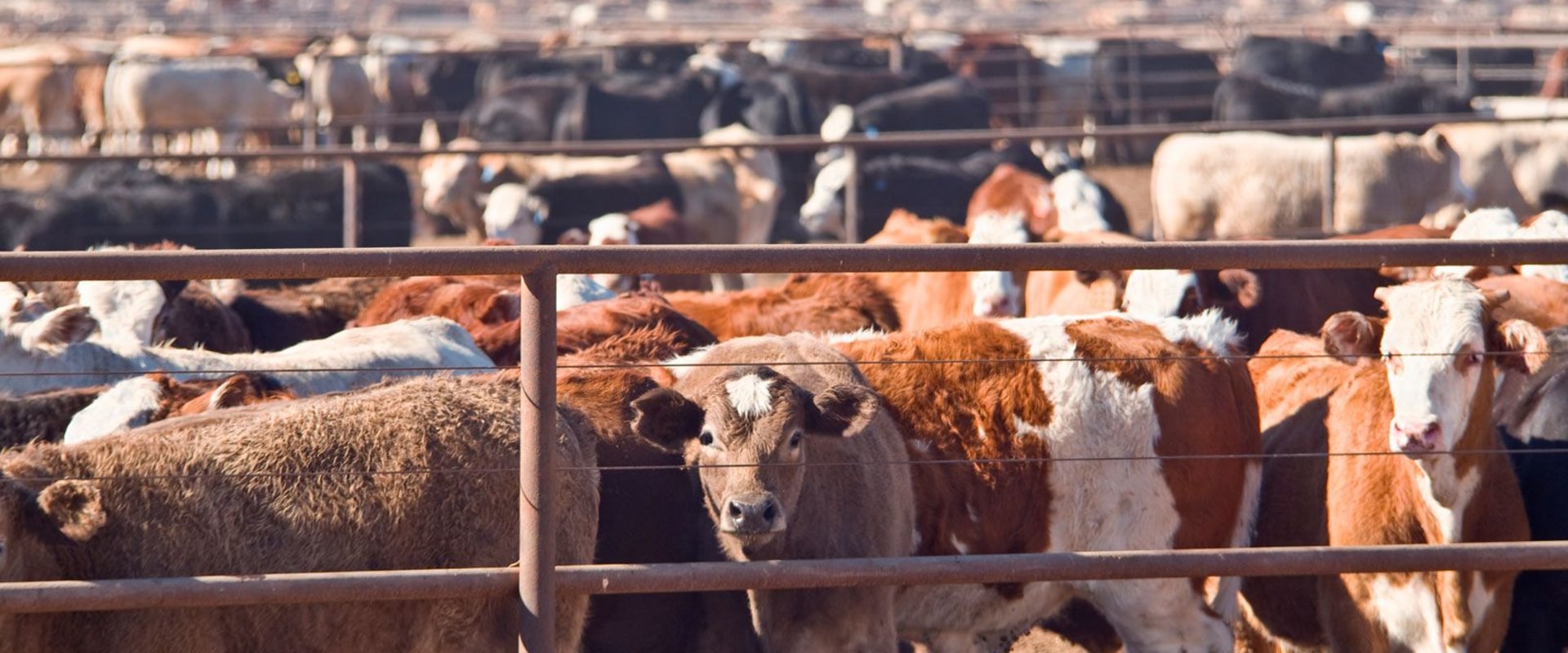
In the realm of livestock management, regulations and laws play a crucial role in shaping practices that ensure the welfare of animals, protect the environment, and maintain food safety standards. These regulations are designed to govern various aspects of animal husbandry, from the treatment and care of livestock to the methods of waste disposal and land use. Understanding these laws is essential for farmers, ranchers, and anyone involved in the agricultural sector, as compliance not only fosters ethical treatment of animals but also enhances the sustainability of farming operations. The significance of livestock management regulations extends beyond mere compliance; they serve as a framework for responsible farming practices that can lead to improved productivity and profitability. For instance, regulations often dictate the minimum standards for housing, feeding, and healthcare of livestock, which directly impact animal health and productivity.
Furthermore, these laws are increasingly focused on environmental stewardship, addressing issues such as greenhouse gas emissions and water quality, which are critical in today’s climate-conscious society. Moreover, animal husbandry laws are continually evolving to adapt to new scientific findings and societal expectations regarding animal welfare. This dynamic nature of regulations means that stakeholders must stay informed about changes that could affect their operations. By adhering to these laws, livestock managers not only contribute to a more humane treatment of animals but also help safeguard public health by ensuring that food products are safe for consumption.
Federal Regulations Governing Livestock Management
Understanding the federal regulations governing livestock management is essential for farmers, ranchers, and stakeholders in the agricultural sector. These regulations are designed to ensure the humane treatment of animals, promote food safety, and protect public health.One of the primary pieces of legislation affecting livestock management is the Animal Welfare Act (AWA).Enacted in 1966, the AWA sets standards for the care and treatment of animals used in research, exhibition, and as pets. While it does not cover all livestock species, it establishes a framework for the humane treatment of certain animals. Key provisions include:
- Minimum Standards of Care: The AWA mandates that animals receive adequate housing, nutrition, and veterinary care.
- Regulation of Animal Handling: The act requires that animals be handled in a way that minimizes stress and suffering.
- Enforcement and Compliance: The U.S. Department of Agriculture (USDA) is responsible for enforcing the AWA, conducting inspections, and ensuring compliance.
Some important USDA guidelines include:
- Animal Health Regulations: These regulations help prevent the spread of diseases among livestock populations.
- Meat Inspection Act: This act ensures that meat products are safe, wholesome, and correctly labeled.
- National Organic Program: This program regulates organic livestock production standards to ensure integrity in organic labeling.
State-Specific Livestock Management Laws
Livestock management laws can vary significantly from state to state, reflecting local agricultural practices, environmental concerns, and community standards.Understanding these state-specific regulations is crucial for farmers and ranchers to ensure compliance and promote sustainable practices.For instance, in California , the California Code of Regulations outlines specific requirements for livestock health, welfare, and environmental impact. The state mandates that livestock operations adhere to strict waste management protocols to prevent pollution of water sources. Additionally, California has laws regarding the humane treatment of animals, which include guidelines on housing, feeding, and veterinary care.In contrast, Texas has a more decentralized approach to livestock management laws. The Texas Animal Health Commission oversees regulations that focus on disease control and prevention.
Local counties may also implement their own ordinances regarding livestock zoning and animal husbandry practices. This means that ranchers must be aware of both state laws and local regulations to operate legally.
Florida
emphasizes the importance of biosecurity measures in its livestock management laws. The Florida Department of Agriculture and Consumer Services requires livestock owners to maintain records of animal health and movement to prevent the spread of diseases such as brucellosis and tuberculosis.Moreover, many states have enacted local animal husbandry laws that address specific issues such as noise control, odor management, and the number of animals permitted per acre. For example, in New York City , there are strict regulations governing the keeping of livestock within city limits, including permits for backyard chickens and restrictions on larger animals.Compliance with these diverse regulations not only helps in avoiding legal penalties but also fosters a responsible approach to livestock management.
Farmers should regularly consult their state’s agricultural department or local extension services to stay updated on any changes in legislation that may affect their operations.
Environmental Regulations Impacting Livestock Management
Effective livestock management is not only about animal husbandry but also involves adhering to various environmental regulations that govern waste management and pollution control. These regulations are crucial for ensuring that livestock operations do not adversely affect the surrounding ecosystem.The Environmental Protection Agency (EPA) plays a significant role in regulating livestock operations, particularly through the National Pollutant Discharge Elimination System (NPDES). This system requires large-scale livestock producers to obtain permits if their operations discharge pollutants into navigable waters. Compliance with these permits often involves implementing best management practices (BMPs) to minimize runoff and protect water quality.Manure Management Laws
One of the most critical aspects of livestock management is effective manure management.Regulations often dictate how manure should be stored, treated, and applied to land. For instance, many states have specific guidelines on:
- Storage Facilities: Manure must be stored in facilities that prevent leakage and runoff.
- Application Rates: Farmers are required to apply manure at rates that match crop nutrient needs to prevent over-fertilization.
- Buffer Zones: Regulations may require buffer zones between manure application sites and water bodies to reduce contamination risks.
Animal Health and Welfare Regulations
Effective livestock management hinges on adherence to various animal health regulations and animal welfare standards.These regulations are designed to ensure the well-being of livestock while promoting public health and safety.One of the primary components of animal health regulations is the requirement for vaccinations. Livestock must be vaccinated against common diseases such as brucellosis, foot-and-mouth disease, and avian influenza. These vaccinations not only protect the animals but also prevent the spread of diseases to other livestock and humans. Farmers are often required to maintain detailed vaccination records, which can be inspected by regulatory agencies.
Humane Treatment Standards
- Housing Conditions: Livestock must be provided with adequate space, ventilation, and shelter to ensure their comfort and health.
- Nutritional Requirements: Regulations stipulate that livestock must receive a balanced diet appropriate for their species and age.
- Access to Veterinary Care: Farmers are obligated to provide access to veterinary services for regular health checks and emergency care.
This act mandates that livestock be treated humanely throughout their lives, from birth through slaughter. Violations can result in significant penalties, including fines and loss of licenses.In addition to federal laws, many states have their own specific livestock health laws. These may include additional requirements for disease reporting, biosecurity measures, and specific handling practices during transport. Compliance with both state and federal regulations is crucial for ethical livestock management.In conclusion, understanding and adhering to animal health regulations and welfare standards is essential for anyone involved in livestock management.
Not only do these laws protect the animals, but they also enhance the overall sustainability and reputation of the agricultural industry.
Zoning and Land Use Regulations for Livestock Operations
Understanding zoning and land use regulations is crucial for anyone involved in livestock management. These regulations dictate where livestock can be raised, the type of facilities that can be constructed, and the overall impact on the surrounding community.Zoning laws
are established by local governments to control land use and ensure that agricultural activities do not negatively affect residential areas. For instance, many jurisdictions have specific zones designated for agricultural use, which may include provisions for livestock operations. Farmers must familiarize themselves with these zoning classifications to ensure compliance.Types of Zoning Regulations
- Agricultural Zoning: This type of zoning allows for farming activities, including livestock operations, and often includes specific guidelines on the number of animals permitted per acre.
- Residential Zoning: In areas zoned for residential use, there may be strict limitations on livestock management to minimize noise, odor, and other nuisances.
- Commercial Zoning: Some livestock operations may fall under commercial zoning, especially if they involve processing or selling products directly to consumers.
These regulations often address environmental concerns such as waste management, water usage, and land conservation practices. Compliance with these rules is essential not only for legal operation but also for sustainable farming practices.Farmers should also be aware of any local ordinances that may affect their operations. For example, some municipalities may have specific requirements regarding the distance livestock facilities must be from residential properties or water sources. Understanding these nuances can help prevent potential legal issues and foster good relationships with neighbors.In summary, navigating the complex landscape of zoning and land use regulations is vital for successful livestock management.
By staying informed and compliant with local laws, farmers can ensure their operations run smoothly while contributing positively to their communities.
Best Practices for Compliance with Livestock Management Laws
Ensuring compliance with livestock management laws is crucial for farmers aiming to maintain a sustainable and responsible farming operation. Here are some best practices to help you navigate the complex landscape of regulations:- Stay Informed: Regularly review local, state, and federal regulations related to animal husbandry. This includes understanding laws regarding animal welfare, environmental impact, and food safety.
- Record Keeping: Maintain detailed records of all livestock management activities. This includes health records, breeding information, and feed usage.
Accurate documentation can be invaluable during inspections or audits.
- Training and Education: Invest in training for yourself and your staff on compliance issues. Workshops and seminars can provide insights into best practices and updates on changing regulations.
- Animal Welfare Standards: Implement best practices for animal care that exceed minimum legal requirements. This not only ensures compliance but also promotes better health and productivity among your livestock.
- Environmental Management: Follow guidelines for waste management and land use to minimize environmental impact. This includes proper disposal of manure and ensuring that livestock do not pollute water sources.
- Regular Audits: Conduct self-audits to assess compliance with livestock management laws.
Identifying potential issues before they become problems can save time and resources.
Frequently Asked Questions about Livestock Management Regulations
Understanding the regulations surrounding livestock management is crucial for farmers, ranchers, and anyone involved in animal husbandry. Here are some frequently asked questions that can help clarify common inquiries about livestock laws:What are the primary regulations governing livestock management?
Regulations vary by state and locality, but generally, they cover aspects such as:- Animal Welfare: Laws ensuring humane treatment of livestock, including proper housing, feeding, and medical care.
- Health and Safety: Regulations aimed at preventing the spread of diseases among livestock and to humans.
- Environmental Protection: Guidelines to manage waste and prevent pollution from livestock operations.
How do I find out what specific laws apply to my area?
The best way to find specific regulations is to consult your local agricultural extension office or state department of agriculture. They can provide resources tailored to your region.Are there penalties for non-compliance with livestock management regulations?
Yes, non-compliance can lead to various penalties, including:- Fines: Monetary penalties imposed for violations.
- Revocation of Licenses: Loss of permits necessary for operating a livestock business.
- Civil Lawsuits: Legal action taken by affected parties or organizations.
What resources are available for staying updated on livestock regulations?
Farmers and ranchers can stay informed through:- Industry Associations: Organizations often provide updates on regulatory changes.
- Government Websites: Official sites frequently publish new laws and guidelines.
- Workshops and Seminars: Educational events that cover current issues in livestock management.
Conclusion: The Importance of Understanding Livestock Management Laws
In conclusion, understanding the regulations and laws related to livestock management is crucial for anyone involved in farming or animal husbandry.These laws are designed not only to protect the welfare of the animals but also to ensure the sustainability of farming practices and the safety of food products.Key points to consider include:
- Animal Welfare: Regulations often mandate humane treatment, proper housing, and adequate nutrition for livestock. Adhering to these laws helps prevent cruelty and promotes healthier animals.
- Environmental Impact: Livestock management laws frequently address waste management and land use, aiming to minimize pollution and promote sustainable practices. Compliance with these regulations can lead to better soil health and reduced environmental degradation.
- Food Safety: Laws governing livestock management also encompass biosecurity measures that protect against disease outbreaks. Understanding these regulations is vital for maintaining a safe food supply chain.
- Market Access: Many markets require compliance with specific livestock management standards.
Familiarity with these regulations can enhance marketability and open up new opportunities for farmers.