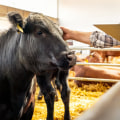
Effective livestock management is crucial for ensuring the health and productivity of farm animals. As livestock play a significant role in agriculture, understanding the common health issues they face is essential for farmers and caretakers alike. By recognizing these challenges, livestock managers can implement proactive measures to maintain animal well-being and optimize production outcomes. Common health issues in livestock can range from infectious diseases to nutritional deficiencies, each posing unique threats to animal health. For instance, respiratory infections, gastrointestinal disorders, and parasitic infestations are prevalent among various species.
These conditions not only affect the individual animals but can also have a ripple effect on herd productivity and overall farm profitability. Therefore, a comprehensive approach to livestock care that includes regular health assessments, vaccinations, and proper nutrition is vital. Moreover, understanding the signs of distress or illness in livestock can lead to timely interventions that prevent more severe health complications. This knowledge empowers livestock managers to make informed decisions regarding treatment options and management practices. In this article, we will delve deeper into specific health issues commonly encountered in livestock and explore effective treatment strategies that can enhance animal welfare and farm efficiency.
Overview of Common Health Issues in Livestock
Effective livestock management requires a thorough understanding of the common health issues that can affect various types of livestock.Recognizing these health problems early can significantly improve treatment outcomes and overall herd health.Some of the most prevalent health issues in livestock include:
- Respiratory Diseases: Conditions such as pneumonia and shipping fever are common, particularly in cattle and sheep. Symptoms often include coughing, nasal discharge, and labored breathing. These diseases can be caused by environmental stressors, poor ventilation, or viral infections.
- Digestive Disorders: Bloat, acidosis, and enteritis are frequent issues in ruminants. Signs may include abdominal distension, diarrhea, or a decrease in appetite.
These problems often arise from sudden dietary changes or poor feed quality.
- Reproductive Issues: Infertility, mastitis, and metritis can severely impact livestock productivity. Symptoms may include abnormal discharge, swelling, or a lack of heat cycles in females. These conditions can stem from infections or nutritional deficiencies.
- Parasitic Infections: Internal and external parasites such as worms and ticks can lead to significant health problems. Symptoms often include weight loss, anemia, and skin irritations.
Regular deworming and proper sanitation are essential for prevention.
- Nutritional Deficiencies: Livestock may suffer from deficiencies in vitamins and minerals, leading to poor growth and immune function. Symptoms vary widely but can include lethargy, poor coat condition, and reproductive failures.
Respiratory Diseases in Livestock
Respiratory diseases in livestock, particularly in cattle, can significantly impact their health and productivity.Pneumonia is one of the most common respiratory issues affecting livestock, characterized by inflammation of the lungs and airways. This condition can be caused by various factors, including viral infections, bacterial infections, and environmental stressors.
Symptoms of Respiratory Diseases:
- Coughing
- Labored breathing or increased respiratory rate
- Nasal discharge
- Fever
- Loss of appetite
- Depression or lethargy
Treatment Options:
Early detection and treatment are vital for managing respiratory diseases in livestock.
Here are some common treatment options:
- Antibiotics: These are often prescribed to combat bacterial infections associated with pneumonia.
- Anti-inflammatories: Non-steroidal anti-inflammatory drugs (NSAIDs) can help reduce fever and inflammation.
- Supportive care: Providing a comfortable environment with adequate ventilation and hydration is essential for recovery.
- Vaccination: Preventative vaccines can help protect against specific pathogens that cause respiratory diseases.
Digestive Disorders in Livestock
Digestive disorders in livestock can significantly impact their overall health and productivity. Two of the most common issues are bloat and colic, each requiring prompt attention and appropriate management strategies.Bloat in Ruminants
Bloat is a condition that occurs when gas builds up in the rumen, leading to distension and discomfort. It is particularly prevalent in cattle and sheep that consume high amounts of leguminous forages or rapidly fermentable feeds.If left untreated, bloat can be fatal.
- Symptoms: Signs of bloat include a swollen abdomen, discomfort, and difficulty breathing.
- Treatment: Immediate treatment options include:
- Administering anti-foaming agents like poloxalene to reduce gas formation.
- Using a stomach tube to relieve pressure by releasing gas.
- In severe cases, surgical intervention may be necessary.
Colic in Horses
Colic refers to abdominal pain in horses and can stem from various causes, including dietary changes, parasites, or intestinal blockages. It is a serious condition that requires quick diagnosis and treatment.- Symptoms: Common signs include pawing at the ground, rolling, and looking at the abdomen.
- Treatment: Management strategies for colic include:
- Providing pain relief through medications such as flunixin meglumine.
- Ensuring adequate hydration and access to fresh water.
- If symptoms persist, veterinary intervention may be required for further evaluation or surgery.
Infectious Diseases Affecting Livestock
Infectious diseases pose a significant threat to livestock health, impacting not only the animals themselves but also the overall productivity of farms.Understanding these diseases is crucial for effective livestock management.
Common Infectious Diseases
- Foot and Mouth Disease (FMD): Highly contagious, affecting cloven-hoofed animals, leading to severe economic losses.
- Brucellosis: A bacterial infection that can cause reproductive issues in cattle and is zoonotic, meaning it can be transmitted to humans.
- Newcastle Disease: Primarily affecting poultry, this viral infection can lead to high mortality rates and significant production losses.
- Porcine Reproductive and Respiratory Syndrome (PRRS): Affects pigs, causing reproductive failure and respiratory issues.
Prevention Through Vaccination
Vaccination is one of the most effective methods for preventing infectious diseases in livestock. Regular vaccination schedules tailored to specific species and local disease prevalence can significantly reduce the incidence of these diseases. For instance:
- Cattle should be vaccinated against FMD and Brucellosis as part of their routine health management.
- Poultry vaccinations against Newcastle Disease are essential for maintaining flock health.
- Pigs require vaccinations for PRRS to prevent outbreaks in herds.
Treatment Options
When infectious diseases do occur, timely treatment is critical. Depending on the disease, treatment may include:
- Antibiotics: Used for bacterial infections like Brucellosis.
- Supportive care: Ensuring hydration and nutrition during recovery.
- Quarantine measures: Isolating affected animals to prevent the spread of disease.
Regular veterinary consultations can help farmers stay informed about emerging threats and best practices for disease prevention.
Parasitic Infections in Livestock
Parasitic infections are a significant concern in livestock management, affecting the health and productivity of animals. These infections can be broadly categorized into two types: internal parasites, such as worms, and external parasites, including ticks and lice.Internal Parasites
Internal parasites, particularly gastrointestinal worms, can lead to severe health issues in livestock. Common types include:- Roundworms (e.g., Haemonchus contortus)
- Tapeworms (e.g., Moniezia spp.)
- Flukes (e.g., Fasciola hepatica)
It is recommended to:
- Conduct fecal egg counts to determine the level of infection.
- Select appropriate anthelmintics based on the type of worms present.
- Implement a rotational grazing system to reduce parasite load in pastures.
External Parasites
External parasites pose another threat to livestock health. Common external parasites include:- Ticks
- Lice
- Mites
- Acaricides for ticks and mites.
- Insecticides for lice control.
- Regular grooming and inspection of livestock to catch infestations early.
Nutritional Deficiencies and Their Impact on Livestock Health
Nutritional deficiencies in livestock can significantly impact their overall health, productivity, and longevity.When animals do not receive the essential nutrients they require, it can lead to a range of health issues, including weakened immune systems, poor growth rates, and reproductive problems.Common nutritional deficiencies include:
- Protein Deficiency: Insufficient protein can result in stunted growth and reduced milk production in dairy cattle.
- Mineral Deficiencies: Lack of minerals such as calcium, phosphorus, and magnesium can lead to conditions like milk fever and grass tetany.
- Vitamin Deficiencies: Vitamins A, D, and E are crucial for maintaining health; deficiencies can cause issues like poor vision and reproductive failures.
- Balanced Rations: Formulate balanced rations that meet the specific needs of different livestock species and production stages.
- Regular Feed Testing: Conduct regular testing of feed ingredients to assess nutrient content and adjust diets accordingly.
- Forage Quality: Ensure high-quality forage is available, as it is often the primary source of nutrition for many livestock species.
- Monitor Body Condition: Regularly assess the body condition of livestock to identify any signs of nutritional deficiencies early on.
Preventative Measures for Maintaining Livestock Health
Maintaining the health of livestock is crucial for any successful livestock management strategy.Implementing effective preventative measures can significantly reduce the risk of disease outbreaks and enhance overall productivity.
Biosecurity in Livestock Management
Biosecurity is a fundamental aspect of livestock health management. It involves a series of practices designed to prevent the introduction and spread of diseases within a herd. Key biosecurity measures include:- Controlled Access: Limit access to livestock areas to essential personnel only. This reduces the risk of disease transmission from outside sources.
- Sanitation Protocols: Regularly clean and disinfect equipment, vehicles, and facilities to eliminate pathogens.
- Quarantine New Animals: Isolate new or returning animals for a minimum of 30 days before introducing them to the main herd.
- Vaccination Programs: Implement vaccination schedules based on veterinary recommendations to protect against common diseases.
Regular Veterinary Care
Another critical component of maintaining livestock health is regular veterinary care.Establishing a routine check-up schedule with a qualified veterinarian can help in early detection and treatment of health issues. Key aspects include:
- Health Assessments: Conduct regular health assessments to monitor the overall condition of the livestock and identify any potential health concerns.
- Nutritional Guidance: Work with veterinarians to develop balanced feeding programs that meet the specific nutritional needs of different livestock species.
- Disease Monitoring: Keep detailed records of any illnesses or treatments, which can help in tracking patterns and improving future management practices.
FAQs About Livestock Health Issues and Treatments
When it comes to livestock management, understanding common health issues and their treatments is crucial for maintaining a healthy herd. Here are some frequently asked questions regarding livestock health:What are the most common health issues in livestock?
- Respiratory diseases: Conditions like pneumonia can affect cattle and sheep, often caused by viral or bacterial infections.
- Digestive disorders: Issues such as bloat or acidosis are prevalent, particularly in ruminants, and can arise from sudden dietary changes.
- Parasitic infections: Internal and external parasites, including worms and ticks, can lead to significant health problems if not managed properly.
- Reproductive issues: Problems like infertility or mastitis in dairy cows can severely impact productivity.
How can I identify sick livestock?
Signs of illness in livestock can vary, but common indicators include:- Changes in appetite or water consumption
- Abnormal behavior, such as isolation from the herd
- Coughing, nasal discharge, or labored breathing
- Weight loss or poor body condition
What treatments are available for sick livestock?
Treatment options depend on the specific health issue but may include:- Medications: Antibiotics for bacterial infections, anti-inflammatories for pain relief, and dewormers for parasitic infestations.
- Nutritional support: Providing electrolytes or specialized feeds to help recovery.
- Vaccinations: Preventative measures against common diseases can significantly reduce the incidence of illness.
Conclusion: Key Takeaways on Livestock Health Management
In summary, effective livestock management is crucial for maintaining the health and productivity of farm animals.Throughout this article, we have explored various common health issues that can affect livestock, including:
- Respiratory diseases, which can be caused by environmental factors or pathogens.
- Digestive disorders, often resulting from dietary imbalances or sudden changes in feed.
- Reproductive issues, which can lead to decreased fertility and productivity.
- Parasitic infections, affecting both internal and external health.
- Skin conditions, which may arise from poor hygiene or environmental stressors.
- Regular health assessments: Conducting routine check-ups helps in early detection of health issues.
- Vaccination programs: Keeping livestock vaccinated against common diseases can significantly reduce outbreaks.
- Nutritional management: Providing a balanced diet tailored to the specific needs of each species ensures optimal health.
- Biosecurity measures: Implementing strict biosecurity protocols minimizes the risk of disease transmission.
- Education and training: Keeping farm staff informed about best practices in livestock management enhances overall herd health.