In the realm of livestock management, the concept of animal welfare has emerged as a cornerstone of ethical farming practices. Understanding animal welfare goes beyond mere compliance with regulations; it encompasses the physical and psychological well-being of animals raised for food, fiber, and other products. As consumers become increasingly aware of the conditions under which their food is produced, the importance of ensuring high standards of animal welfare cannot be overstated. It not only reflects a commitment to humane treatment but also fosters trust between producers and consumers. Effective livestock management involves creating an environment where animals can thrive.
This includes providing adequate space, proper nutrition, and opportunities for natural behaviors. When animals are treated with care and respect, they are more likely to exhibit positive health outcomes, which in turn can lead to improved productivity and profitability for farmers. Moreover, prioritizing animal welfare can enhance the overall sustainability of farming operations, aligning with growing consumer demand for ethically sourced products. As we delve deeper into the practices that ensure animal welfare in livestock facilities, it becomes clear that these efforts are not just beneficial for the animals themselves but also play a crucial role in shaping the future of agriculture. By adopting comprehensive strategies that prioritize animal well-being, farmers can contribute to a more ethical food system while also meeting the expectations of a conscientious consumer base.
Key Principles of Animal Welfare
Ensuring animal welfare in a livestock facility is paramount for ethical livestock management.The principles of animal welfare provide a comprehensive framework that guides farmers and facility managers in creating an environment conducive to the health and well-being of their animals. One of the most recognized frameworks is the Five Freedoms, which outlines essential rights that all animals should have.
- Freedom from Hunger and Thirst: Animals should have access to fresh water and a diet that maintains their health and vigor.
- Freedom from Discomfort: Livestock must be provided with an appropriate environment, including shelter and a comfortable resting area.
- Freedom from Pain, Injury, or Disease: Preventative measures should be taken to avoid health issues, and prompt treatment should be provided when necessary.
- Freedom to Express Normal Behavior: Animals should have enough space, proper facilities, and the company of their own kind to engage in natural behaviors.
- Freedom from Fear and Distress: Livestock management practices should minimize fear and stress, ensuring that animals are handled in a calm and gentle manner.
By prioritizing animal welfare through the Five Freedoms, livestock facilities can ensure that they meet both ethical obligations and operational goals.
Best Practices for Livestock Management
Ensuring animal welfare in a livestock facility is paramount for ethical livestock management. Implementing best practices not only enhances the quality of life for the animals but also improves productivity and sustainability. Here are some key strategies:- Proper Housing: Livestock should be housed in environments that meet their specific needs. This includes adequate space, ventilation, and protection from extreme weather conditions.
Facilities should be designed to minimize stress and allow for natural behaviors.
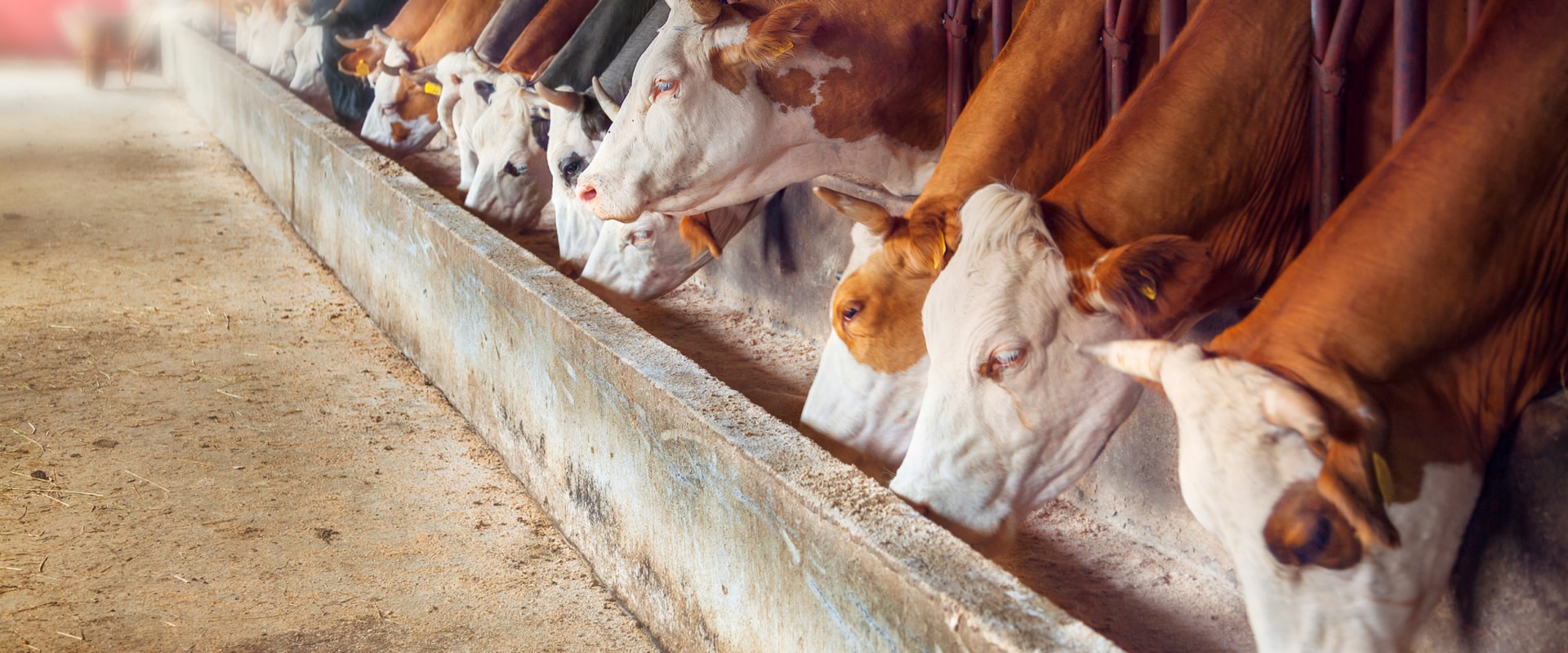
- Nutritional Care: Providing a balanced diet tailored to the species and age of the livestock is crucial. Regularly consulting with a veterinarian or animal nutritionist can help ensure that dietary needs are met, promoting overall health and well-being.
- Health Monitoring: Routine health checks are essential for early detection of illnesses. Implementing a vaccination schedule and maintaining records of health treatments can significantly reduce disease outbreaks within the herd.
- Humane Handling Techniques: Training staff in low-stress handling techniques is vital. This includes using calm movements and minimizing noise to reduce anxiety among animals during feeding, transportation, or veterinary care.
- Environmental Enrichment: Providing enrichment activities can enhance the mental and physical well-being of livestock.
This may include toys, varied feeding methods, or social interactions that encourage natural behaviors.
Monitoring and Assessing Animal Welfare
Ensuring animal welfare in a livestock facility requires a systematic approach to monitoring and assessing the well-being of animals. This involves utilizing various assessment tools and identifying key welfare indicators that reflect the health and comfort of livestock.Monitoring Animal Welfare
Regular monitoring is essential for maintaining high welfare standards. This can be achieved through:- Visual Inspections: Daily checks of animals can help identify signs of distress, illness, or injury.
Observing behavior, posture, and social interactions provides immediate insights into their welfare.
- Behavioral Assessments: Monitoring specific behaviors such as feeding, drinking, and resting patterns can indicate the overall health of the animals. Deviations from normal behavior may signal welfare issues.
- Environmental Monitoring: Assessing the living conditions, including space allowance, bedding quality, and ventilation, is crucial. A comfortable environment significantly contributes to animal welfare.
Assessment Tools for Livestock
A variety of tools are available to facilitate effective assessment:- Welfare Audits: Comprehensive audits conducted by trained personnel can evaluate compliance with welfare standards and identify areas for improvement.
- Body Condition Scoring (BCS): This method assesses the fatness or thinness of animals, providing insights into their nutritional status and overall health.
- Health Monitoring Systems: Implementing technology such as RFID tags or health tracking software can help in real-time monitoring of animal health metrics.
Welfare Indicators
Key indicators to assess animal welfare include:- Morbidity and Mortality Rates: High rates may indicate underlying welfare issues that need addressing.
- Stress Indicators: Elevated cortisol levels or abnormal behaviors can signify stress in animals.
- Reproductive Performance: Poor reproductive outcomes may reflect inadequate welfare conditions.
Training and Education for Staff
Ensuring animal welfare in a livestock facility begins with a well-trained and educated staff. The knowledge and skills of employees directly impact the quality of care that animals receive.Therefore, implementing comprehensive training programs is essential for fostering a culture of care and responsibility.
Staff Training on Animal Welfare
- Understanding Animal Behavior: Employees should be trained to recognize signs of stress, illness, and discomfort in animals. This knowledge allows them to respond promptly and appropriately, ensuring the well-being of the livestock.
- Proper Handling Techniques: Training should include safe and humane handling practices to minimize stress during routine procedures such as feeding, moving, and medical treatment.
- Emergency Response: Staff must be prepared for emergencies, including natural disasters or health outbreaks. Regular drills and training sessions can help ensure that everyone knows their role in protecting animal welfare during crises.
Education Programs in Livestock Management
In addition to initial training, ongoing education programs are vital for keeping staff updated on the latest advancements in livestock management. These programs can cover:
- New research findings related to animal health and welfare.
- Innovative technologies that improve livestock care.
- Regulatory changes affecting animal welfare standards.
Fostering Employee Awareness
A culture of awareness among employees is crucial for maintaining high standards of animal welfare.
Regular meetings and discussions about animal care practices can encourage staff to share observations and concerns. Additionally, recognizing and rewarding employees who demonstrate exceptional care can motivate others to follow suit.By prioritizing training and education, livestock facilities can ensure that their staff is equipped with the necessary skills and knowledge to promote animal welfare effectively. This commitment not only benefits the animals but also enhances the overall productivity and reputation of the facility.
Regulatory Framework and Compliance
Ensuring animal welfare in livestock management is not only a moral obligation but also a legal requirement. Various regulatory frameworks exist to guide livestock facilities in maintaining high standards of care for animals.These regulations are designed to protect the well-being of animals while also ensuring that producers adhere to ethical practices.In the United States, the primary legislation governing animal welfare in livestock management includes the Animal Welfare Act (AWA), which sets forth minimum standards for the care and treatment of animals. This act is enforced by the United States Department of Agriculture (USDA), which conducts regular inspections of livestock facilities to ensure compliance with established standards.Compliance with these legal standards is crucial for several reasons:
- Legal Consequences: Non-compliance can lead to severe penalties, including fines and the potential loss of operating licenses.
- Market Access: Many retailers and consumers are increasingly demanding products from farms that adhere to strict animal welfare standards. Compliance can enhance marketability.
- Public Trust: Adhering to regulations fosters trust among consumers, who are more likely to support businesses that prioritize animal welfare.
This often involves regular training and updates on best practices in animal care.Furthermore, organizations such as the American Veterinary Medical Association (AVMA) provide guidelines and resources that help livestock facilities implement effective animal welfare programs. These resources can assist in developing protocols that not only meet legal requirements but also promote a culture of care within the facility.In conclusion, understanding and adhering to the regulatory framework surrounding animal welfare is essential for successful livestock management. By prioritizing compliance, facilities can ensure the health and well-being of their animals while also safeguarding their business interests.
Technological Innovations in Animal Welfare
In recent years, technological innovations have played a pivotal role in enhancing animal welfare within livestock facilities. These advancements not only improve the quality of life for animals but also streamline livestock management practices, ensuring that farmers can meet both ethical standards and production goals.One of the most significant developments is the implementation of monitoring systems.These systems utilize sensors and cameras to track animal behavior, health, and environmental conditions in real-time. For instance, wearable technology, such as collars or ear tags equipped with GPS and health monitoring capabilities, allows farmers to monitor vital signs and activity levels. This data can help identify early signs of illness or distress, enabling timely interventions that can prevent suffering.Another innovation is the use of automated feeding systems. These systems ensure that livestock receive the right amount of feed at optimal times, reducing waste and improving nutrition.
By automating feeding schedules based on individual animal needs, farmers can enhance growth rates and overall health while minimizing stress associated with competition for food.
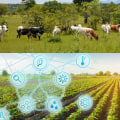
Smart farming solutions
, such as precision agriculture technologies, also contribute significantly to animal welfare. By utilizing data analytics and machine learning, farmers can optimize resource allocation, monitor pasture conditions, and manage herd movements more effectively. This not only promotes better living conditions for the animals but also supports sustainable farming practices.Furthermore, advancements in environmental control systems help maintain optimal living conditions within livestock facilities. Automated ventilation, heating, and cooling systems ensure that animals are kept in comfortable environments, reducing stress and promoting overall well-being.In conclusion, the integration of technology in livestock management is transforming how farmers approach animal welfare.
By leveraging these innovations, livestock facilities can create healthier environments for animals while enhancing operational efficiency.
Challenges in Ensuring Animal Welfare
Ensuring animal welfare in a livestock facility is fraught with challenges that can hinder effective livestock management. Understanding these challenges is crucial for farmers and managers who aim to create a humane environment for their animals.- Resource Limitations: Many livestock facilities operate under tight budgets, which can restrict access to high-quality feed, veterinary care, and proper housing. This lack of resources can lead to compromised animal health and welfare.
- Knowledge Gaps: Not all farmers are equipped with the latest knowledge in animal husbandry practices. This can result in outdated methods that do not prioritize animal welfare, leading to stress and health issues among livestock.
- Regulatory Compliance: Navigating the complex landscape of animal welfare regulations can be daunting.
Farmers may struggle to keep up with changing laws and standards, which can create barriers to implementing best practices.
- Market Pressures: The demand for low-cost meat and dairy products often forces farmers to prioritize production efficiency over animal welfare. This can lead to overcrowding, inadequate living conditions, and neglect of individual animal needs.
- Education and Training: Providing ongoing education for farmers about modern animal welfare practices can help bridge knowledge gaps and improve overall management strategies.
- Investment in Resources: Allocating funds towards better facilities, nutrition, and veterinary care is essential for enhancing the quality of life for livestock.
- Collaboration with Experts: Partnering with veterinarians and animal welfare organizations can provide valuable insights and support in implementing effective management practices.
Case Studies: Successful Animal Welfare Practices
In the realm of livestock management, several farms have set exemplary standards for animal welfare through innovative practices. These case studies highlight how effective strategies can lead to improved animal health and productivity.Case Study 1: Green Pastures Farm
Located in the Midwest, Green Pastures Farm has implemented a rotational grazing system that allows livestock to graze on fresh pastures regularly. This method not only enhances the nutritional intake of the animals but also reduces soil erosion and promotes biodiversity.The farm reports a 30% increase in milk production since adopting this practice, demonstrating that animal welfare and productivity can go hand in hand.
Case Study 2: Happy Hooves Ranch
Happy Hooves Ranch focuses on providing a stress-free environment for its animals. The ranch has invested in spacious housing with natural lighting and ventilation, which has significantly reduced instances of aggression and illness among the herd. By prioritizing animal comfort, they have seen a remarkable decrease in veterinary costs by 25%, showcasing the financial benefits of prioritizing welfare.Case Study 3: Sustainable Livestock Solutions
This farm employs a comprehensive health monitoring system that tracks the well-being of each animal. By utilizing technology such as wearable sensors, they can detect early signs of distress or illness, allowing for prompt intervention.This proactive approach has led to a 40% reduction in mortality rates, proving that integrating technology into livestock management can enhance animal welfare significantly.These case studies illustrate that successful animal welfare practices are not only beneficial for the animals but also for the overall sustainability and profitability of livestock operations. By learning from these examples, other farms can adopt similar strategies to improve their own practices.
Conclusion: The Future of Animal Welfare in Livestock Management
As we look towards the future of animal welfare in livestock management, it is clear that the integration of innovative practices and technologies will play a pivotal role. The discussions throughout this article have highlighted the importance of prioritizing animal well-being, not only for ethical reasons but also for enhancing productivity and sustainability within the industry.One of the key takeaways is the necessity for continuous education and training for livestock managers. By staying informed about the latest research and advancements in animal care, managers can implement best practices that promote health and welfare.This includes understanding animal behavior, nutrition, and environmental needs.Moreover, the adoption of technology such as precision livestock farming can significantly improve monitoring and management practices. Tools like wearable sensors and automated feeding systems allow for real-time data collection, enabling farmers to respond promptly to any signs of distress or health issues among their animals.Furthermore, collaboration among stakeholders—including farmers, veterinarians, and researchers—is essential to develop comprehensive welfare standards that are both practical and effective. Engaging in open dialogues about challenges and solutions can foster a culture of shared responsibility towards animal welfare.In conclusion, the future of animal welfare in livestock management hinges on a commitment to ethical practices, technological innovation, and collaborative efforts. By embracing these principles, we can ensure that livestock facilities not only meet production goals but also uphold the highest standards of animal care.