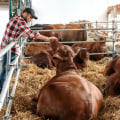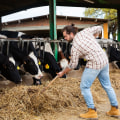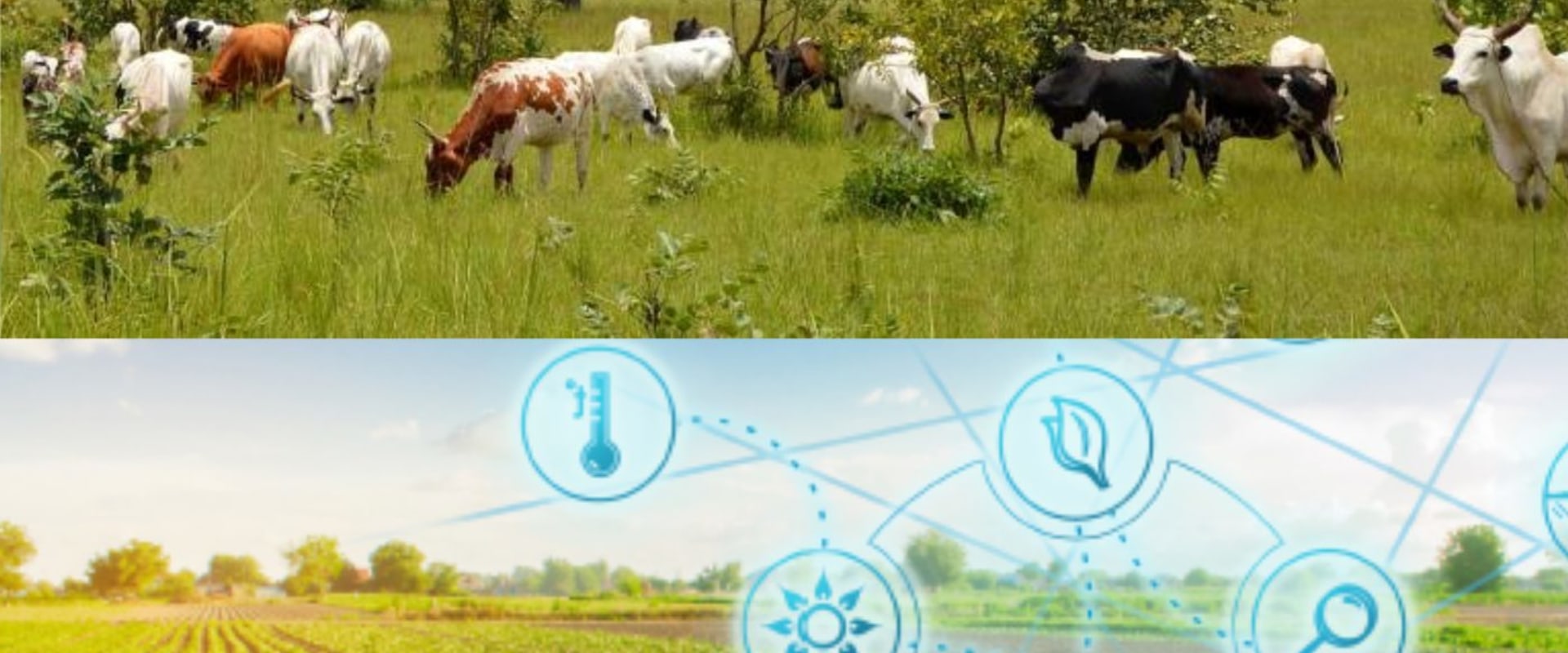
As the effects of climate change become increasingly evident, the implications for livestock management are profound and multifaceted. Rising temperatures, altered precipitation patterns, and extreme weather events pose significant challenges to livestock health and productivity. Farmers must recognize that these environmental shifts not only affect the animals directly but also influence the availability of feed, water resources, and overall farm management practices. The health of livestock is intricately linked to their environment. For instance, higher temperatures can lead to heat stress in animals, which diminishes their productivity and increases susceptibility to diseases.
Additionally, changes in climate can exacerbate the prevalence of pests and pathogens, further threatening livestock health. Understanding these dynamics is essential for farmers aiming to maintain a sustainable operation amidst these challenges. Moreover, the impact of climate change extends beyond individual animal health; it affects entire farming systems. Altered weather patterns can disrupt traditional grazing schedules and crop yields, leading to food shortages and increased costs for feed. As such, adapting livestock management strategies is not just a matter of improving animal welfare but also ensuring economic viability in an unpredictable climate.
By proactively addressing these issues, farmers can develop more resilient systems that safeguard both their livestock and their livelihoods.
Adapting Livestock Management Practices
As climate change continues to pose significant challenges to livestock management, it is essential for farmers and ranchers to adopt adaptive management practices that enhance resilience. These strategies not only mitigate the adverse effects of climate change but also promote sustainability within the agricultural sector.One effective approach is the implementation of sustainable livestock practices. This includes:- Rotational Grazing: By rotating livestock between pastures, farmers can prevent overgrazing, improve soil health, and enhance forage quality. This practice helps maintain a balanced ecosystem and reduces the impact of drought.
- Water Management: Efficient water use is critical in adapting to changing precipitation patterns.
Installing rainwater harvesting systems and utilizing drip irrigation can ensure that livestock have access to clean water even during dry spells.
- Feed Management: Incorporating drought-resistant forage species and optimizing feed rations can improve livestock health and productivity. This not only reduces feed costs but also minimizes the carbon footprint associated with feed production.
- Diverse Breeding Programs: Selecting breeds that are more tolerant to heat stress or disease can enhance herd resilience. Genetic diversity within livestock populations can also improve adaptability to changing environmental conditions.
- Soil Health Improvement: Practices such as cover cropping and reduced tillage can enhance soil structure and fertility, making it more resilient to extreme weather events.
- Monitoring and Data Utilization: Utilizing technology for real-time monitoring of weather patterns, soil moisture, and animal health can help farmers make informed decisions quickly, allowing for timely interventions.
The transition towards resilient livestock management is not just beneficial for individual farms; it plays a crucial role in ensuring food security in an increasingly unpredictable climate.
Nutritional Strategies for Climate Resilience
As climate change continues to affect agricultural practices, livestock management must adapt to ensure the health and productivity of animals. One of the most critical aspects of this adaptation is through effective nutritional strategies. By focusing on livestock nutrition, farmers can mitigate the adverse effects of climate change on their herds.Feed Quality and Availability
- Quality feed is essential for maintaining livestock health, especially during periods of extreme weather. High-quality forage and grains can help animals cope with heat stress and nutritional deficiencies.
- Farmers should consider diversifying their feed sources to ensure a consistent supply, even when certain crops fail due to climate conditions.
- Implementing feed management practices, such as regular testing for nutrient content, can help in adjusting rations to meet the changing needs of livestock.
Nutritional Adaptation
Adapting livestock diets to changing environmental conditions is crucial.
This can include:
- Incorporating alternative feed ingredients, such as legumes or by-products from other industries, which may be more resilient to climate impacts.
- Adjusting feeding schedules to align with cooler parts of the day, reducing heat stress and improving feed intake.
- Utilizing supplements that enhance nutrient absorption and overall health, particularly during periods of drought or feed scarcity.
Water Management in Livestock Operations
Effective water management is crucial for successful livestock management, particularly in the face of climate change and increasing instances of drought. Livestock operations depend heavily on a consistent and reliable water supply, making it essential to implement strategies that ensure water availability even during challenging conditions.Drought
can severely impact livestock health and productivity, leading to reduced feed intake, lower milk production, and increased mortality rates. Therefore, understanding how to manage water resources effectively is vital for maintaining herd health and operational sustainability.Water Conservation Strategies
- Rainwater Harvesting: Collecting rainwater can significantly supplement water supplies.
Installing systems to capture and store rainwater can provide a reliable source during dry spells.
- Efficient Irrigation: Implementing drip or sprinkler irrigation systems can minimize water waste when watering pastures or crops for livestock feed.
- Water Recycling: Reusing water from cleaning operations or runoff can help conserve fresh water. This practice not only reduces demand but also minimizes environmental impact.
- Water Quality Management: Regularly testing and maintaining water quality ensures that livestock have access to clean drinking water, which is essential for their health and productivity.
- Strategic Grazing: Rotational grazing practices can help maintain pasture health, reducing the need for supplemental watering while promoting better soil moisture retention.
Breeding for Climate Resilience
As climate change continues to pose significant challenges to livestock management, breeding for climate resilience has emerged as a critical strategy. By focusing on developing climate-resilient breeds, farmers can enhance the survival and productivity of their livestock in the face of environmental stressors.Genetic Traits for Resilience
- Heat Tolerance: Breeds that can withstand higher temperatures without compromising health or productivity are essential.
For instance, zebu cattle are known for their ability to thrive in hot climates due to their unique physiological traits.
- Drought Resistance: Selecting breeds that require less water and can maintain productivity during dry spells is crucial. Sheep breeds like the Dorper are recognized for their adaptability to arid conditions.
- Feed Efficiency: Breeding livestock that can convert feed into body mass more efficiently helps mitigate the impact of fluctuating feed availability caused by climate change.
Breeding Strategies
Implementing effective livestock breeding strategies involves several key approaches:
- Selective Breeding: This traditional method focuses on choosing parent animals with desirable traits, such as disease resistance and adaptability to local climates, to pass these traits onto future generations.
- Crossbreeding: Combining different breeds can enhance genetic diversity and introduce beneficial traits. For example, crossing local breeds with imported ones may yield offspring that are better suited to changing environmental conditions.
- Genomic Selection: Advances in genetic research allow for the identification of specific genes associated with resilience traits. Utilizing genomic data can accelerate the breeding process, ensuring that livestock are better equipped to handle climate stressors.
By prioritizing climate resilience in breeding programs, farmers can ensure that their livestock not only survive but thrive in an increasingly unpredictable climate.
Technological Innovations in Livestock Management
As climate change continues to pose challenges to livestock management, technological innovations are emerging as vital tools for farmers. These advancements not only enhance productivity but also promote sustainability in livestock operations.Precision Agriculture in Livestock Management
One of the most significant developments is the integration of precision agriculture techniques into livestock management. This approach utilizes data analytics and real-time monitoring to optimize feeding, breeding, and health management. For instance, sensors can track animal behavior and health metrics, allowing farmers to make informed decisions that improve animal welfare and reduce resource waste.Digital Tools for Enhanced Decision-Making
Digital tools are revolutionizing how farmers manage their herds.Mobile applications and software platforms enable farmers to monitor livestock conditions remotely, analyze data trends, and receive alerts about potential health issues. These tools facilitate timely interventions, which are crucial in mitigating the impacts of climate change on livestock.
Remote Sensing and Drones
Another exciting innovation is the use of drones and remote sensing technology. Drones can survey large areas of pastureland, providing insights into forage availability and land conditions. This information helps farmers make better grazing decisions, ensuring that livestock have access to adequate nutrition while minimizing overgrazing.Blockchain for Traceability
Furthermore, blockchain technology is gaining traction in the livestock sector for its ability to enhance traceability.By recording every transaction related to livestock—from breeding to sale—farmers can ensure transparency and build consumer trust. This is particularly important as consumers become more concerned about the environmental impact of their food choices.In conclusion, embracing these technological innovations in livestock management not only helps mitigate the effects of climate change but also positions farmers for greater efficiency and sustainability in their operations.
Policy and Community Support for Sustainable Livestock Management
Effective livestock management in the face of climate change requires robust policy frameworks and strong community support. Policymakers play a crucial role in establishing guidelines that promote sustainable practices, ensuring that farmers have the resources and knowledge necessary to adapt to changing environmental conditions.Government Programs for Farmers
- Subsidies and Grants: Financial assistance can help farmers invest in sustainable technologies and practices, such as rotational grazing and improved feed efficiency.
- Research and Development: Funding for research initiatives can lead to innovative solutions that enhance livestock resilience against climate impacts.
- Training and Education: Programs that educate farmers on sustainable practices can empower them to make informed decisions that benefit both their operations and the environment.
This collective approach not only enhances individual farm resilience but also strengthens the entire agricultural community.
Building Collaborative Networks
- Peer Learning: Farmers can learn from each other's experiences, adopting successful strategies that mitigate climate risks.
- Shared Resources: Community-based initiatives can facilitate access to shared equipment or facilities, reducing costs and improving efficiency.
- Advocacy: A united front can influence local and national policies, ensuring that the needs of livestock producers are represented in climate action plans.
Frequently Asked Questions about Climate Change and Livestock Management
As climate change continues to affect various sectors, livestock management is increasingly becoming a focal point for farmers and ranchers. Here are some frequently asked questions regarding the adaptation of livestock management practices in response to climate change:- How does climate change affect livestock health?
Climate change can lead to increased temperatures, altered precipitation patterns, and more frequent extreme weather events. These changes can stress livestock, making them more susceptible to diseases and reducing their overall productivity. - What strategies can be implemented to adapt livestock management to climate change?
Farmers can adopt several strategies, including:- Improving pasture management to enhance forage quality and availability.
- Implementing water conservation techniques to ensure adequate hydration for livestock.
- Utilizing shade structures or cooling systems to protect animals from heat stress.
- Choosing breeds that are more resilient to changing climatic conditions.
- What role does technology play in managing livestock under climate change?
Technology can significantly enhance livestock management practices.For instance, precision agriculture tools can help monitor animal health and environmental conditions, while data analytics can assist in making informed decisions about breeding and feeding practices.
- Are there financial resources available for farmers adapting to climate change?
Yes, various government programs and grants are available to support farmers in implementing sustainable practices. Additionally, organizations focused on agricultural innovation often provide funding for research into climate-resilient livestock management techniques.