Effective livestock management is a cornerstone of sustainable agriculture, playing a crucial role in ensuring the health of both animals and the land they graze upon. By understanding the intricate balance between livestock needs and pasture health, farmers can create a system that not only maximizes productivity but also promotes environmental stewardship. This holistic approach to pasture management involves careful planning and execution of grazing techniques that enhance soil fertility, improve forage quality, and maintain biodiversity. At its core, livestock management encompasses a variety of practices aimed at optimizing animal welfare while minimizing ecological impact. This includes implementing rotational grazing systems, which allow pastures to recover and regenerate, thereby preventing overgrazing and soil degradation.
Additionally, understanding the nutritional requirements of different livestock species can lead to better grazing strategies that align with seasonal changes and pasture growth cycles. Moreover, effective grazing techniques are essential for maintaining healthy pastures. Techniques such as strip grazing or mob grazing can significantly enhance pasture productivity by promoting even forage utilization and reducing weed pressure. By adopting these practices, livestock managers not only improve the health of their herds but also contribute to the resilience of their farming systems in the face of climate change and market fluctuations.
The Importance of Pasture Management
Effective pasture management is essential for the overall health of livestock, the sustainability of the environment, and the economic viability of farming operations. By implementing best practices in pasture management, farmers can ensure that their livestock have access to high-quality forage, which directly impacts their growth, reproduction, and overall well-being.One of the primary benefits of managing pastures is the enhancement of pasture health.Healthy pastures are characterized by a diverse array of plant species that provide balanced nutrition for livestock. This diversity not only supports animal health but also contributes to soil health by improving its structure and fertility. When pastures are well-managed, they can recover more quickly from grazing pressure, leading to a more sustainable system.Moreover, effective pasture management practices can significantly reduce feed costs. By optimizing grazing patterns and allowing for proper rest periods, farmers can maximize the productivity of their pastures.
This means that livestock can obtain a larger portion of their nutritional needs directly from grazing, reducing reliance on supplemental feeds.In addition to economic benefits, pasture management plays a crucial role in environmental sustainability. Well-maintained pastures help prevent soil erosion, improve water retention, and enhance biodiversity. They act as carbon sinks, contributing to climate change mitigation efforts. Furthermore, by managing grazing intensity and timing, farmers can minimize the impact on local ecosystems and promote wildlife habitats.In summary, the importance of pasture management cannot be overstated.
It is a vital component of livestock management that supports animal health, boosts farm profitability, and fosters environmental stewardship. By prioritizing pasture health through strategic management practices, farmers can create a resilient agricultural system that benefits both their livestock and the planet.
Key Principles of Grazing Management
Effective grazing management is essential for maintaining healthy pastures and optimizing livestock productivity. Understanding the key principles of grazing management can significantly enhance pasture health and sustainability.Rotational Grazing
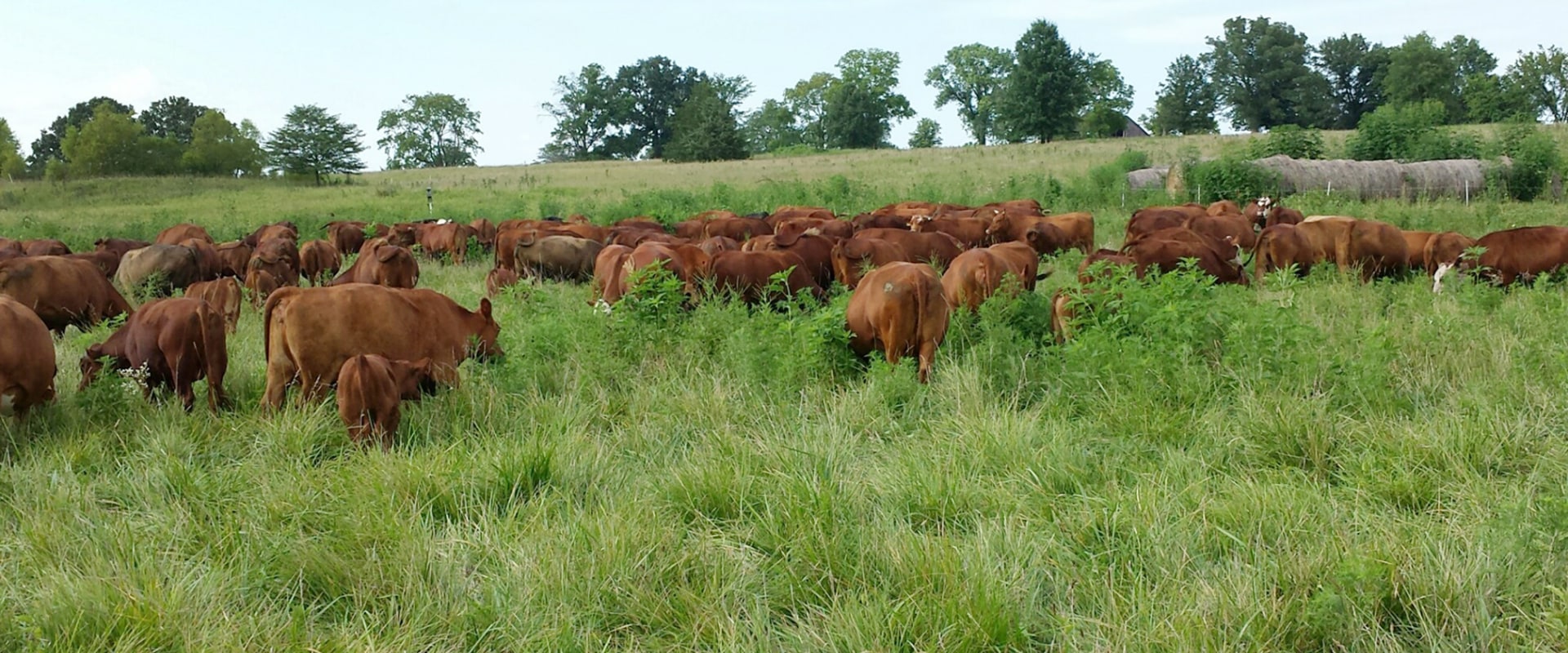
One of the most effective methods in grazing management is rotational grazing. This system involves dividing pastures into smaller sections, allowing livestock to graze one area while others rest and recover.The benefits of rotational grazing include:
- Improved pasture recovery: Allowing time for grasses to regrow enhances root development and increases forage quality.
- Enhanced soil health: Rest periods promote microbial activity and nutrient cycling, leading to richer soil.
- Diverse forage availability: Different plant species can thrive when given time to recover, providing a balanced diet for livestock.
Grazing Systems
In addition to rotational grazing, various grazing systems can be implemented based on specific farm conditions and goals. Some popular systems include:- Strip Grazing: Similar to rotational grazing, this method uses temporary fencing to limit livestock to narrow strips of pasture, maximizing forage utilization.
- Mob Grazing: Involves high-density stocking for short periods, followed by long rest periods. This method can stimulate grass growth and improve soil health.
- Continuous Grazing: While less effective than rotational systems, it can be suitable for certain environments where pasture recovery is not as critical.
By adopting these grazing management principles, livestock producers can enhance both the health of their pastures and the productivity of their herds.
Assessing Pasture Quality and Health
Effective livestock management begins with a thorough understanding of pasture quality and health. Assessing these factors is crucial for ensuring that livestock have access to nutritious forage, which directly impacts their growth, reproduction, and overall well-being.Indicators of Pasture Quality
- Forage Diversity: A healthy pasture typically contains a mix of grasses, legumes, and other plants. This diversity not only provides a balanced diet for livestock but also enhances resilience against pests and diseases.
- Plant Density: Adequate plant density is essential for preventing soil erosion and maintaining moisture levels. Sparse areas may indicate overgrazing or poor soil health.
- Growth Stage: The stage of growth of the forage is critical.
Young, tender plants are more nutritious than mature ones, which can become fibrous and less palatable.
Pasture Health Indicators
- Soil Structure: Healthy soil should have good structure, allowing for proper water infiltration and root development. Compacted soils can hinder plant growth and reduce pasture productivity.
- Nutrient Levels: Regular soil testing can help determine nutrient deficiencies or excesses. Key nutrients such as nitrogen, phosphorus, and potassium are vital for optimal plant health.
- Pest and Disease Presence: Monitoring for signs of pests or diseases can help in early intervention, preventing larger issues that could affect pasture quality.
The Importance of Soil Health
The foundation of any thriving pasture lies in its soil health. Healthy soils support robust plant growth by providing essential nutrients and maintaining moisture levels.
Practices such as crop rotation, cover cropping, and reduced tillage can enhance soil structure and fertility. Additionally, incorporating organic matter through compost or manure can improve soil microbial activity, further benefiting pasture health.In conclusion, regularly assessing pasture quality and health is a fundamental aspect of effective livestock management. By focusing on indicators such as forage diversity, soil structure, and nutrient levels, livestock producers can ensure their animals have access to high-quality grazing resources that promote their health and productivity.
Implementing Rotational Grazing Systems
Implementing a rotational grazing system can significantly enhance livestock management by improving pasture health and increasing forage availability. This method involves dividing pastures into smaller sections, allowing livestock to graze one area while the others recover.Here are some key benefits and practical steps for implementing this system.
Benefits of Rotational Grazing
- Improved Pasture Health: Rotational grazing allows grasses to recover, leading to deeper root systems and increased resilience against drought.
- Enhanced Soil Fertility: Manure is evenly distributed across the pasture, enriching the soil and promoting nutrient cycling.
- Increased Forage Production: Healthier pastures can produce more forage, which can support a larger herd without overgrazing.
- Pest and Weed Control: By rotating grazing areas, livestock can help manage pests and weeds naturally, reducing the need for chemical interventions.
How to Implement Rotational Grazing
- Assess Your Land: Evaluate your pasture's size, soil type, and current vegetation to determine how many paddocks you can create.
- Create Paddocks: Use fencing to divide your pasture into smaller sections. The number of paddocks will depend on your herd size and grazing schedule.
- Develop a Grazing Schedule: Plan how long livestock will stay in each paddock. A common approach is to allow grazing for 3-7 days followed by a rest period of 21-30 days.
- Monitor Pasture Condition: Regularly check the health of your pastures. Adjust grazing times based on growth rates and seasonal changes.
This approach not only enhances productivity but also contributes to the overall health of the ecosystem.
Managing Pasture During Different Seasons
Effective livestock management requires a keen understanding of how to manage pastures throughout the year. Each season presents unique challenges and opportunities that can significantly impact the health and productivity of your livestock.Winter Grazing Strategies
During the winter months, pastures can become dormant, leading to limited forage availability. To manage this effectively:- Utilize stockpiled forage: Allow certain areas of pasture to grow tall during the growing season and then graze them in winter. This practice can provide essential nutrients when other feed sources are scarce.
- Implement rotational grazing: Move livestock between different paddocks to prevent overgrazing and allow pastures time to recover.
- Supplement feed: Provide hay or other feed supplements to ensure livestock receive adequate nutrition during periods of low forage availability.
Summer Pasture Care
In contrast, summer brings lush growth but also the risk of overgrazing.To maintain healthy pastures:
- Monitor pasture condition: Regularly assess grass height and quality to determine when to rotate livestock to new areas.
- Control weeds: Implement weed management strategies to prevent invasive species from taking over and competing with desirable forage.
- Water access: Ensure that livestock have access to clean water sources, as hydration is crucial during hot summer months.
Common Challenges in Pasture Management and Solutions
Managing pasture effectively is crucial for livestock management, yet it comes with its own set of challenges. Understanding these challenges and implementing practical solutions can significantly enhance the health of both the pasture and the livestock.Common Challenges in Pasture Management
- Overgrazing: This occurs when livestock graze a pasture too heavily, preventing grass from recovering and leading to soil erosion.
- Weed Infestation: Weeds can outcompete desirable forage species, reducing the quality and quantity of available grazing material.
- Soil Degradation: Poor soil health can result from continuous grazing without proper management, affecting nutrient availability for plants.
- Water Availability: Inadequate water sources can limit grazing time and affect livestock health.
Solutions for Grazing Issues
To address these challenges, consider the following solutions:- Implement Rotational Grazing: This method involves moving livestock between different pastures to allow for recovery time, reducing the risk of overgrazing.
- Regular Soil Testing: Conducting soil tests helps identify nutrient deficiencies and informs fertilization strategies to improve soil health.
- Weed Management: Employ integrated weed management strategies, including mechanical removal, targeted herbicides, and promoting competitive forage species.
- Water Management: Ensure that there are adequate and accessible water sources for livestock, possibly by installing troughs or developing natural water catchments.
Technological Innovations in Livestock Management
In recent years, the integration of technology into livestock management has revolutionized how farmers approach pasture and grazing practices. With the advent of smart farming tools, producers can now monitor and manage their livestock more efficiently than ever before.Smart Farming Tools
- GPS Tracking: Utilizing GPS technology allows farmers to track the location and movement of their livestock in real-time.
This not only enhances security but also helps in understanding grazing patterns and optimizing pasture use.
- Drones: Drones equipped with cameras can survey large areas of pastureland quickly, providing insights into land conditions, forage availability, and even livestock health.
- Automated Feeding Systems: These systems ensure that livestock receive the right amount of feed at the right time, reducing waste and improving overall herd health.
Pasture Monitoring Technology
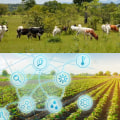
The use of pasture monitoring technology is another significant advancement in livestock management. Sensors placed throughout pastures can collect data on soil moisture, nutrient levels, and grass growth. This information is invaluable for:
- Optimizing Grazing Schedules: By understanding pasture conditions, farmers can create more effective grazing plans that prevent overgrazing and promote sustainable land use.
- Improving Animal Health: Monitoring pasture quality directly impacts livestock health. Healthy pastures lead to healthier animals, which in turn can enhance productivity.
As technology continues to evolve, it will undoubtedly play an even greater role in shaping the future of agriculture.
Frequently Asked Questions about Livestock Management and Grazing Practices
Managing livestock effectively requires a solid understanding of various practices, and many questions arise regarding livestock management and grazing techniques. Here are some frequently asked questions that can help clarify these important topics.What is rotational grazing?
Rotational grazing is a method where livestock are moved between different pastures or paddocks to allow for pasture recovery. This practice helps maintain healthy grasslands, reduces overgrazing, and promotes better soil health.How often should I rotate my livestock?
The frequency of rotation depends on several factors, including the type of livestock, pasture growth rate, and weather conditions. Generally, rotating every 7 to 14 days can be effective, but monitoring pasture conditions is crucial to determine the best timing.What are the signs of overgrazing?
- Reduced plant height: Grass appears shorter than normal.
- Soil erosion: Exposed soil indicates a lack of vegetation.
- Pest infestations: Increased pests may indicate weakened plants.
How can I improve pasture quality?
- Soil testing: Regularly test your soil to understand nutrient needs.
- Diverse planting: Incorporate a variety of grasses and legumes to enhance biodiversity.
- Proper fertilization: Use organic or synthetic fertilizers based on soil test results.
What role does water play in grazing management?
Adequate access to clean water is essential for livestock health and productivity.Ensure that water sources are available in all grazing areas to prevent overgrazing near water points and promote even grazing across the pasture. By addressing these common questions, you can enhance your understanding of livestock management and implement effective grazing practices that benefit both your animals and the land they graze on.
Conclusion: Best Practices for Sustainable Livestock Management
In conclusion, effective livestock management hinges on the implementation of best practices for pasture and grazing management. By prioritizing sustainability, farmers can enhance the health of their livestock while also preserving the environment. Key practices include:- Rotational Grazing: This method allows pastures to recover by rotating livestock between different grazing areas, preventing overgrazing and promoting healthy grass growth.
- Soil Health Management: Regular soil testing and the application of organic amendments can improve soil fertility, leading to better forage quality and quantity.
- Diverse Forage Species: Planting a variety of forage species can enhance biodiversity, improve resilience against pests and diseases, and provide balanced nutrition for livestock.
- Water Access: Ensuring that livestock have consistent access to clean water is crucial for their health and productivity.
- Monitoring Pasture Condition: Regularly assessing pasture health helps in making informed decisions about grazing patterns and timing.