Maintaining proper hygiene and sanitation in livestock facilities is not just a matter of routine; it is a critical component of effective livestock management. The health and productivity of livestock are directly influenced by the cleanliness of their environment. Poor hygiene can lead to the spread of diseases, which can devastate herds and significantly impact farm profitability. Therefore, understanding the importance of hygiene in livestock facilities is essential for any farmer or livestock manager. Inadequate sanitation practices can result in a buildup of pathogens, parasites, and harmful bacteria that thrive in dirty conditions.
This not only affects the animals' health but can also compromise the quality of products such as milk, meat, and eggs. By prioritizing livestock facility sanitation, farmers can create a safer environment that promotes animal welfare and enhances overall productivity. Regular cleaning routines, proper waste management, and biosecurity measures are all vital aspects of maintaining a hygienic facility. Moreover, implementing effective hygiene practices contributes to sustainable livestock management. It reduces the need for antibiotics and other medications, fostering a more natural growth process for the animals.
As consumers increasingly demand ethically raised and healthy livestock products, maintaining high standards of hygiene becomes not just a best practice but a market necessity. In this article, we will explore various strategies and techniques to ensure optimal hygiene in livestock facilities, setting the foundation for healthier animals and more successful farming operations.
Key Principles of Hygiene and Sanitation in Livestock Management
Maintaining proper hygiene and sanitation in livestock management is crucial for ensuring the health and productivity of animals. The following key principles serve as a foundation for effective hygiene practices:- Regular Cleaning: Facilities should be cleaned regularly to remove waste, feed spills, and other contaminants. This includes daily removal of manure and bedding, as well as periodic deep cleaning of all surfaces.
- Disinfection: After cleaning, disinfection is essential to eliminate pathogens.
Use appropriate disinfectants that are effective against common livestock diseases, ensuring that they are safe for the animals.
- Biosecurity Measures: Implementing strict biosecurity protocols helps prevent the introduction and spread of diseases. This includes controlling access to the facility, quarantining new animals, and monitoring visitors.
- Proper Waste Management: Manure and waste should be managed effectively to minimize environmental impact and reduce disease risk. Consider composting or using anaerobic digestion systems to handle waste sustainably.
- Water Quality: Ensure that livestock have access to clean, fresh water at all times. Regularly test water sources for contaminants and maintain water troughs to prevent algae growth.
- Animal Health Monitoring: Regular health checks can help identify early signs of illness.
Keeping accurate records of vaccinations, treatments, and health status is vital for effective livestock health management.
Daily Sanitation Practices for Livestock Facilities
Maintaining proper hygiene and sanitation in a livestock facility is crucial for the health of the animals and the overall productivity of the farm.Daily sanitation practices
play a vital role in preventing the spread of diseases and ensuring a safe environment for both livestock and workers.Here are some essential daily cleaning practices for livestock:- Manure Management: Regularly remove manure from pens and stalls to minimize odors and reduce the risk of disease. This should be done at least once a day, depending on the number of animals and their waste output.
- Cleaning Water Troughs: Ensure that water troughs are cleaned daily to prevent algae growth and contamination.
Fresh, clean water is essential for animal health.
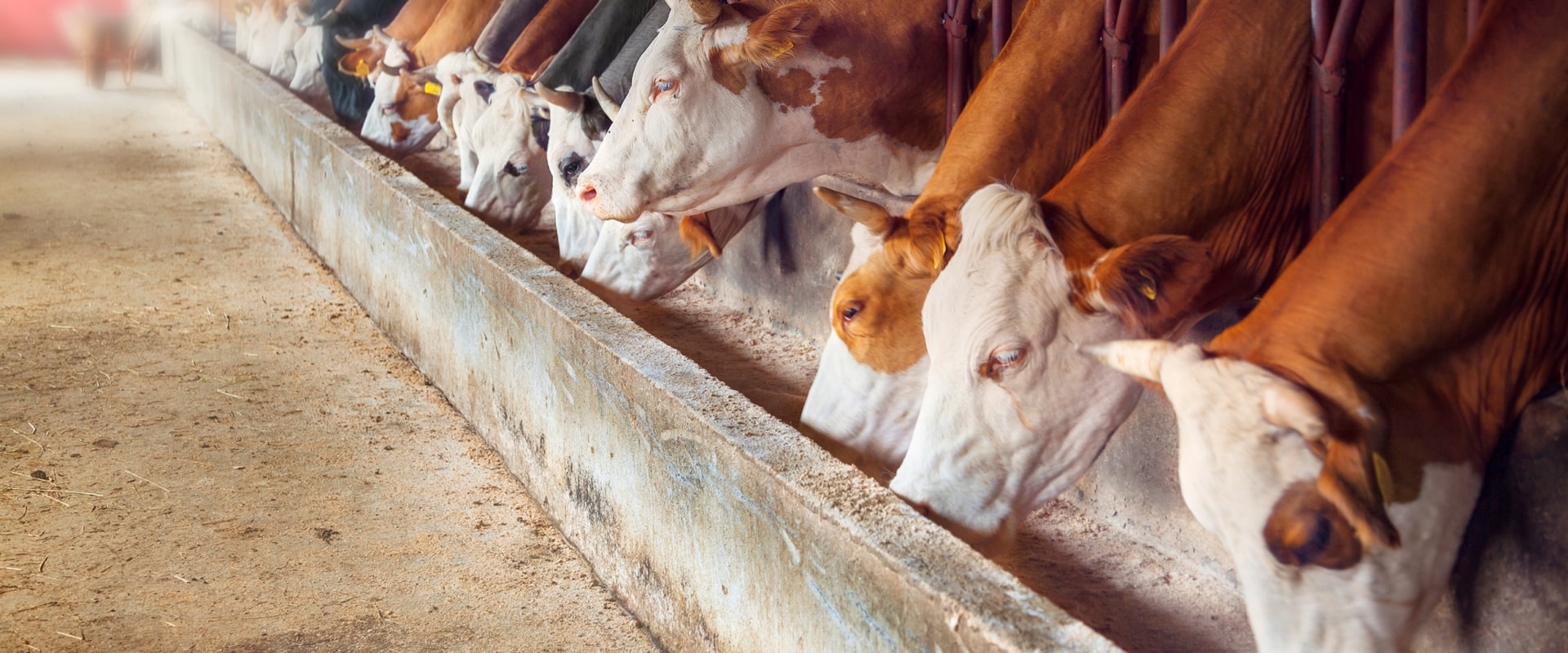
- Feeding Areas: Clean feeding areas to avoid spoilage of feed and to deter pests. Remove any uneaten feed promptly to prevent attracting rodents or insects.
- Equipment Sanitation: Regularly disinfect tools and equipment used in animal care. This includes buckets, feeders, and any machinery that comes into contact with livestock.
- Pest Control: Implement pest control measures daily. This can include checking for signs of infestations and using traps or other methods to keep pests at bay.
Workers should wash their hands before and after handling animals, wear clean clothing, and use protective gear when necessary. This not only protects the animals but also helps maintain a healthy working environment.By adhering to these routine hygiene practices, livestock managers can significantly reduce the risk of disease outbreaks, ensuring that their animals remain healthy and productive.
Weekly and Monthly Maintenance Routines
Maintaining proper hygiene and sanitation in a livestock facility requires more than just daily tasks; it necessitates a structured approach to weekly and monthly maintenance routines. These routines are essential for ensuring the long-term health of your livestock and the overall efficiency of your operations.Weekly Maintenance for Livestock Facilities
Every week, specific tasks should be performed to keep the facility in optimal condition. These include:- Cleaning and disinfecting feeding areas: Remove any leftover feed and clean the troughs to prevent mold growth and pest attraction.
- Inspecting water sources: Ensure that all water troughs are clean and free from algae or debris, as contaminated water can lead to serious health issues.
- Checking bedding materials: Replace soiled bedding to maintain a dry and comfortable environment for the animals, which is crucial for their well-being.
- Pest control measures: Implement weekly checks for pests and take necessary actions, such as traps or natural repellents, to minimize infestations.
Monthly Sanitation Tasks
In addition to weekly tasks, monthly maintenance routines should focus on deeper sanitation efforts:- Thorough cleaning of the entire facility: This includes scrubbing floors, walls, and equipment with appropriate disinfectants to eliminate pathogens.
- Inspecting ventilation systems: Ensure that air circulation is adequate and clean filters to prevent respiratory issues among livestock.
- Reviewing waste management practices: Assess composting or disposal methods for manure to ensure they are effective and environmentally friendly.
- Conducting health checks: Regularly monitor livestock for signs of illness or distress, which can be exacerbated by unsanitary conditions.
Long-Term Hygiene Practices
Establishing long-term hygiene practices is vital for sustainable livestock management.Consider implementing the following strategies:
- Training staff: Ensure that all personnel are educated on hygiene protocols and the importance of maintaining cleanliness in the facility.
- Scheduling regular audits: Conduct routine inspections to evaluate compliance with hygiene standards and identify areas for improvement.
- Investing in quality materials: Use durable, easy-to-clean materials in construction and equipment to facilitate ongoing maintenance efforts.
Effective Waste Management Strategies
Effective waste management is essential in livestock facilities to ensure the health of animals and the surrounding environment. Implementing proper strategies not only minimizes odors and pests but also enhances overall livestock management practices.Manure Disposal Methods
There are several methods for disposing of manure, each with its own benefits and challenges:- Composting: This method involves the aerobic decomposition of organic matter, resulting in a nutrient-rich soil amendment. Composting reduces pathogens and odors while recycling nutrients back into the soil.
- Land Application: Spreading manure on fields as fertilizer can be an effective way to utilize nutrients. However, it requires careful management to prevent runoff and nutrient leaching into water sources.
- Incineration: Burning manure can eliminate pathogens and reduce volume significantly.
However, this method may not be feasible for all operations due to regulatory restrictions and emissions concerns.
- Biosolids Treatment: This involves treating manure with specific processes to create a stable product that can be safely used in agriculture. It often includes anaerobic digestion, which also produces biogas for energy.
Waste Treatment for Animal Farms
Implementing a comprehensive waste treatment plan is crucial for maintaining hygiene in livestock facilities. Here are some effective strategies:- Regular Cleaning: Establish a routine cleaning schedule for barns and pens to remove waste promptly. This helps prevent the buildup of harmful pathogens.
- Water Management: Ensure proper drainage systems are in place to manage runoff and prevent water contamination.
Regularly check water sources for cleanliness.
- Pest Control: Implement integrated pest management (IPM) strategies to control flies and rodents that thrive in waste-rich environments.
- Employee Training: Educate staff on best practices for waste management, including safe handling and disposal methods, to foster a culture of hygiene within the facility.
Biosecurity Measures to Enhance Sanitation
Implementing biosecurity measures is essential in maintaining a high standard of sanitation within a livestock facility. These measures not only help in preventing the introduction and spread of diseases but also complement existing sanitation practices to create a comprehensive livestock management strategy.Biosecurity
involves a series of protocols designed to minimize the risk of disease transmission among animals. Here are some key biosecurity measures that can enhance sanitation:- Controlled Access: Limit access to the livestock facility to essential personnel only. This reduces the risk of introducing pathogens from outside sources.
- Visitor Protocols: Require visitors to wear protective clothing and footwear, and ensure they sanitize their hands before entering animal areas.
- Quarantine Procedures: New animals should be quarantined for a minimum period before being introduced to the herd.
This helps in monitoring for any signs of illness.
- Regular Health Checks: Conduct routine health assessments on livestock to identify any early signs of disease, allowing for prompt action.
- Sanitation of Equipment: Regularly clean and disinfect all equipment, vehicles, and tools used in the facility to prevent cross-contamination.
- Removing waste and bedding regularly.
- Disinfecting feeding and watering equipment.
- Ensuring proper drainage to prevent water accumulation, which can harbor pathogens.
Common Challenges in Maintaining Hygiene and Sanitation
Maintaining proper hygiene and sanitation in a livestock facility is crucial for the health of the animals and the overall productivity of the farm.However, livestock managers often face several challenges that can hinder effective sanitation practices.
- Inadequate Resources: Many facilities struggle with limited access to cleaning supplies and equipment. This can lead to insufficient cleaning protocols, allowing pathogens to thrive.
- High Animal Density: Overcrowding can exacerbate sanitation issues, as waste accumulates more quickly in confined spaces. This not only increases the risk of disease but also complicates cleaning efforts.
- Weather Conditions: Extreme weather can impact sanitation routines. For instance, heavy rains can wash away disinfectants, while extreme heat may lead to rapid decomposition of organic waste.
- Lack of Training: Employees may not be adequately trained in proper sanitation practices, leading to inconsistent application of hygiene protocols.
This can result in gaps in sanitation that allow diseases to spread.
- Invest in Quality Equipment: Allocating budget for high-quality cleaning tools and disinfectants can significantly improve sanitation efforts.
- Optimize Space Management: Reducing animal density where possible and improving ventilation can help manage waste more effectively.
- Establish a Routine: Creating a consistent cleaning schedule that accounts for weather conditions can help maintain hygiene standards.
- Provide Training: Regular training sessions for staff on best practices in hygiene and sanitation will ensure everyone is equipped to maintain a clean environment.
FAQs About Hygiene and Sanitation in Livestock Facilities
Maintaining proper hygiene and sanitation in livestock facilities is crucial for the health of the animals and the overall productivity of the farm. Here are some frequently asked questions regarding livestock hygiene and sanitation practices:What are the best practices for maintaining hygiene in livestock facilities?
- Regular Cleaning: Facilities should be cleaned daily to remove manure, feed spills, and other waste materials.
- Disinfection: Use appropriate disinfectants on surfaces and equipment to eliminate pathogens.
- Pest Control: Implement pest management strategies to keep rodents and insects at bay.
- Water Quality: Ensure that drinking water is clean and free from contaminants.
How often should I clean my livestock facility?
The frequency of cleaning depends on the type of livestock and the size of the facility. Generally, it is recommended to perform a thorough cleaning at least once a week, with daily spot cleaning to manage waste effectively.What are some common sanitation tips for livestock managers?
- Establish a Routine: Create a sanitation schedule that includes daily, weekly, and monthly tasks.
- Train Staff: Ensure that all employees understand the importance of hygiene and are trained in proper sanitation procedures.
- Monitor Animal Health: Regularly check animals for signs of illness, as sick animals can compromise overall facility hygiene.
Conclusion: Best Practices for Sustainable Livestock Hygiene Management
In conclusion, maintaining proper hygiene and sanitation in livestock management is not just a regulatory requirement but a fundamental aspect of ensuring the health and productivity of your animals. By implementing best practices, you can significantly reduce the risk of disease outbreaks and enhance the overall welfare of your livestock. Key strategies include:- Regular Cleaning: Establish a routine for cleaning and disinfecting all areas of the facility, including feeding areas, water sources, and animal housing.
This helps to eliminate pathogens and minimize contamination.
- Waste Management: Proper disposal of manure and other waste products is crucial. Utilize composting or anaerobic digestion methods to manage waste effectively while also creating valuable fertilizers.
- Biosecurity Measures: Implement strict biosecurity protocols to prevent the introduction of diseases. This includes controlling access to the facility, quarantining new animals, and ensuring that all visitors follow hygiene practices.
- Health Monitoring: Regularly monitor the health of your livestock. Early detection of illness can prevent the spread of disease and reduce treatment costs.
- Education and Training: Invest in training for staff on best hygiene practices.
Knowledgeable employees are essential for maintaining high standards of sanitation.